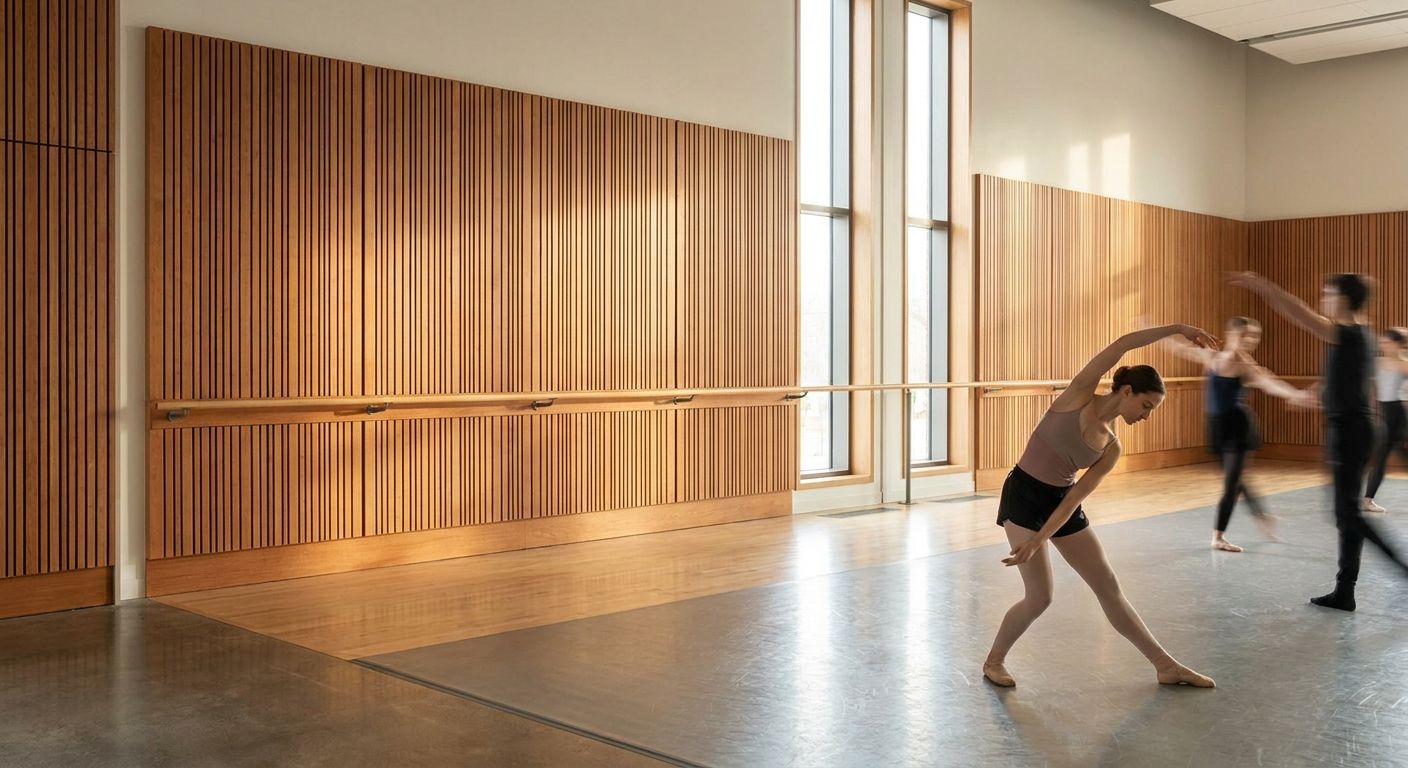
Dance studios bounce sound off mirrors, sprung floors, and bare drywall until instructors are shouting counts over their own music. Acoustic wood panels solve the echo problem without turning the room into a padded cell, and this guide covers exactly which finishes, formats, and installs hold up under barre work, footwork, and partner contact in 2026.
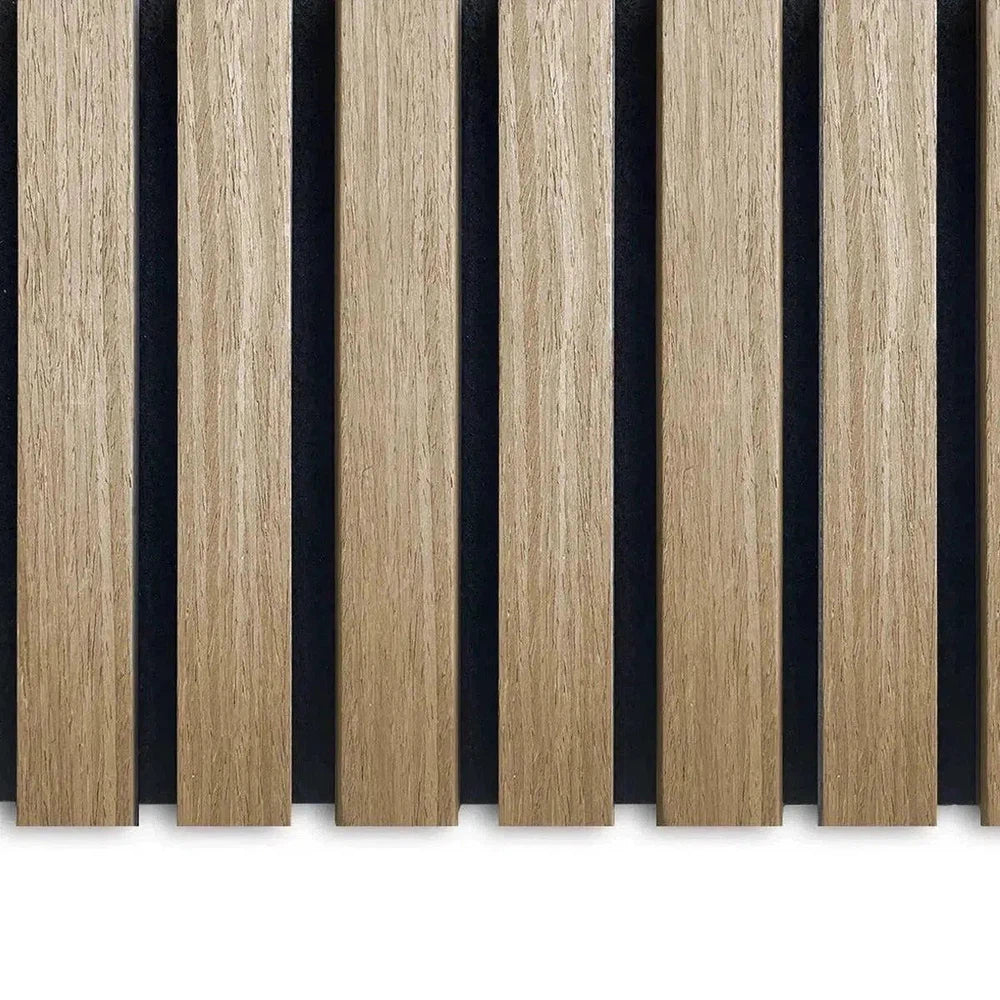
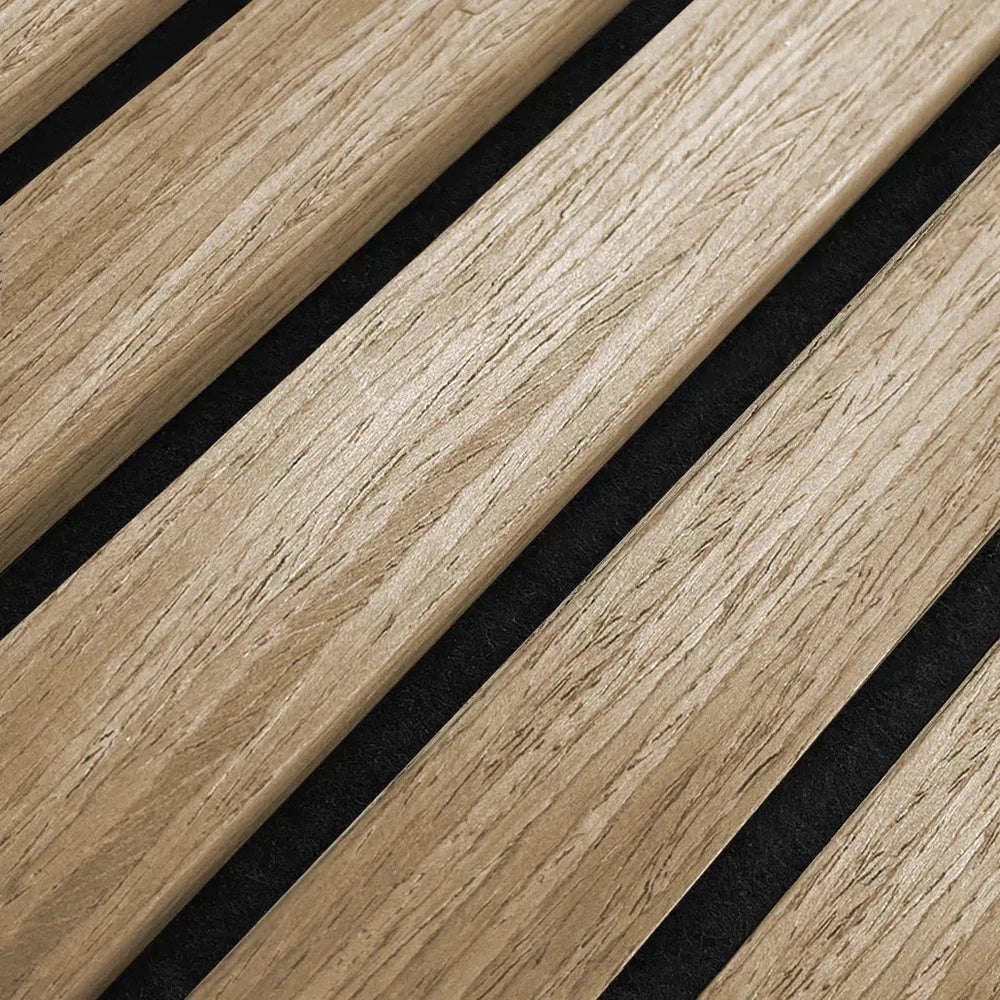
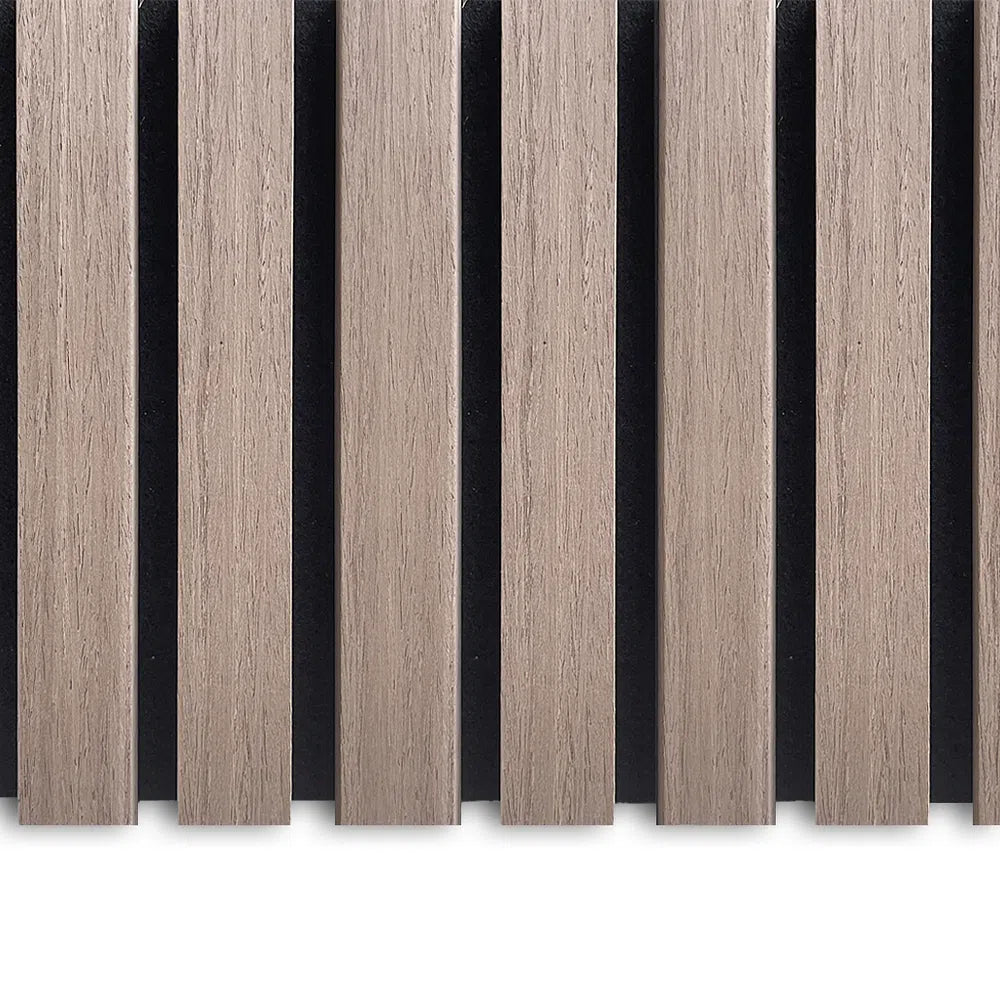
- Natural Oak Grey Felt wins for barre and mirror-adjacent walls: felt backing plus real wood veneer at £83.95 a panel — Buy.
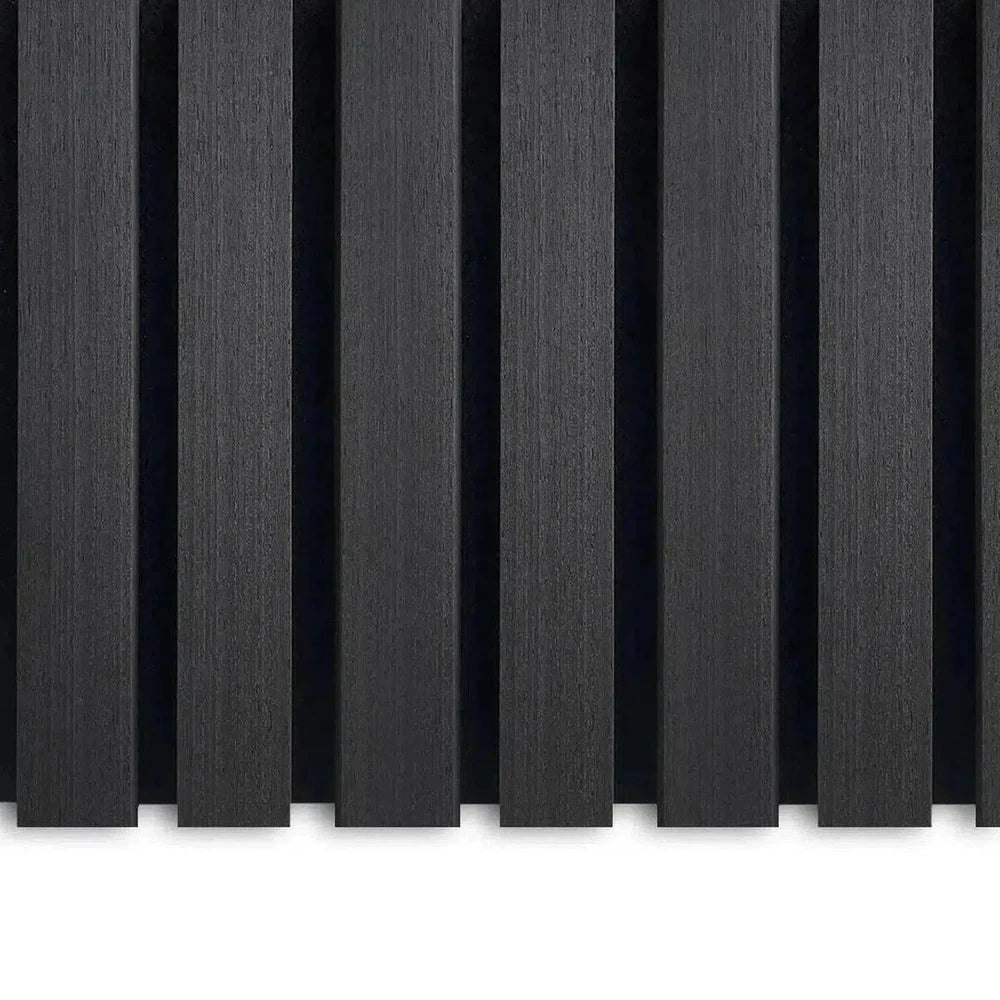
- Black Oak hides scuff marks from dance bags and shoes better than lighter finishes — Buy for back and side walls.
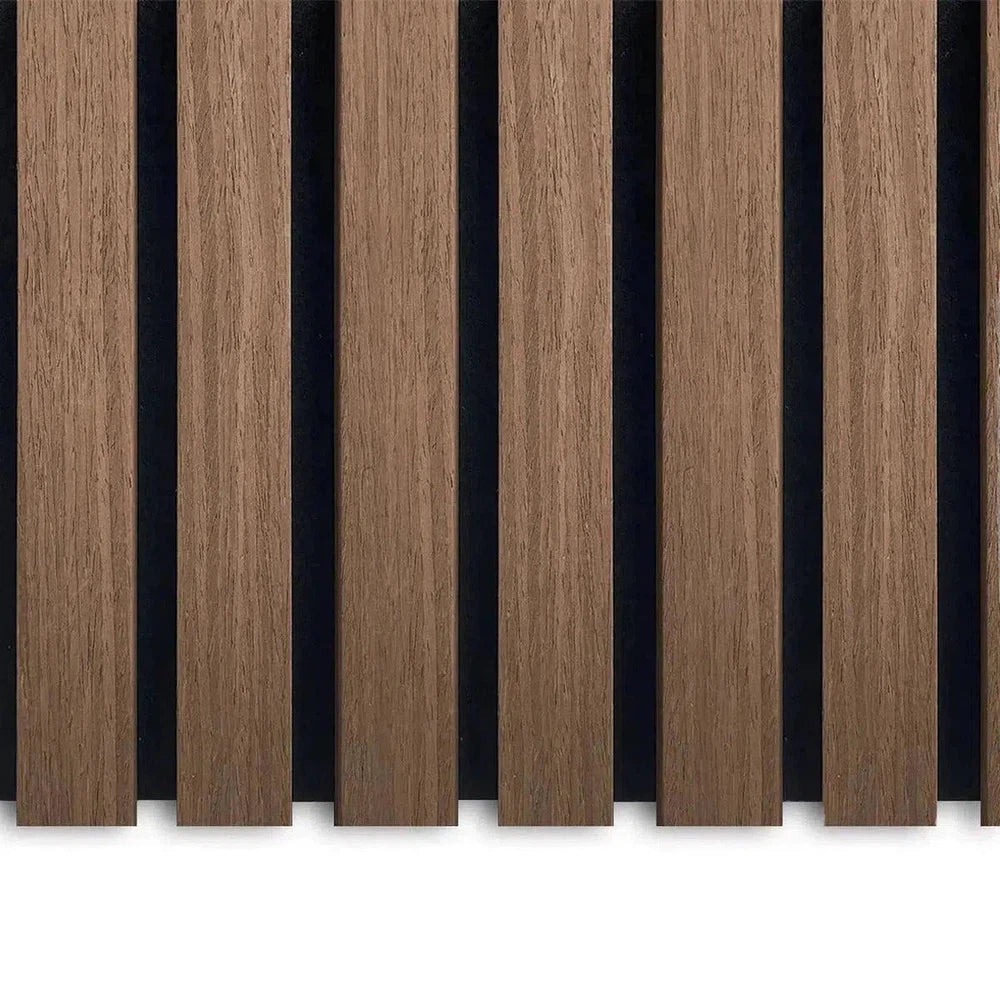
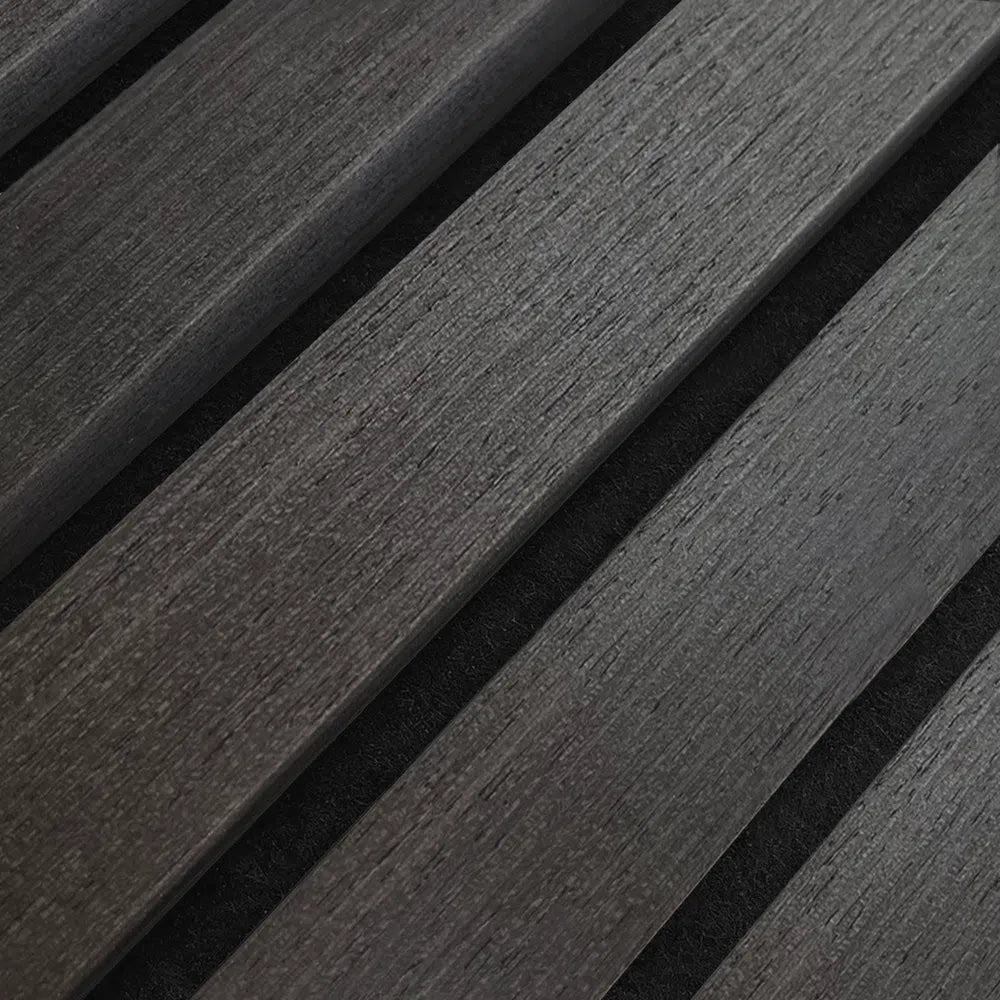
- Smoked Oak is the entry point at £80.95 a panel and still carries the same 3-sided veneer construction — Consider.
- Skip foam acoustic tiles and full mirror coverage — both undercut the acoustic wood panels dance studio approach this guide recommends.
Why this matters
A dance studio has three acoustic enemies working at once: a hard sprung floor, a wall of mirrors, and a sound system running at volume for hours a day. None of those surfaces absorb anything — they reflect. The result is a room where instructors lose their voice by week three and students can't hear the beat clearly enough to stay on count.
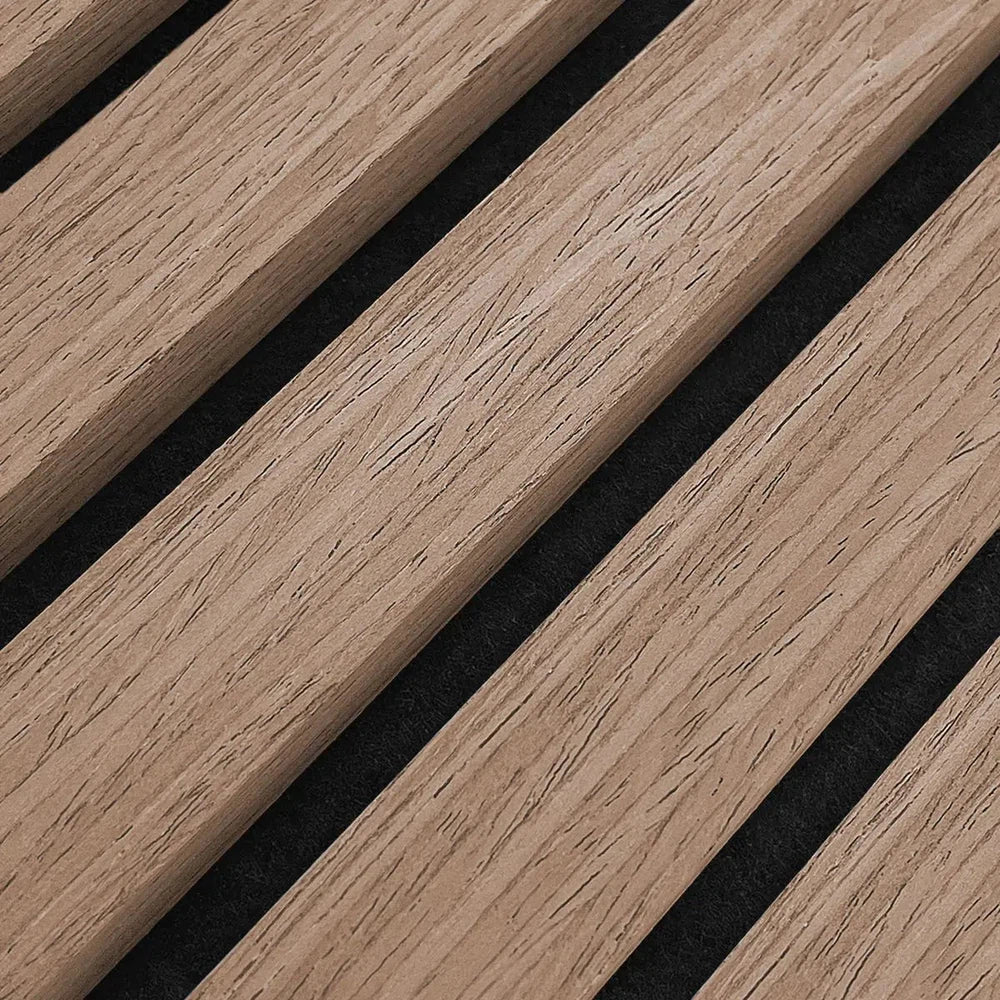
Acoustic wood panels fix this by pairing a felt or acoustic backing with a real wood veneer face, so the wall absorbs mid and high frequencies instead of throwing them back into the room. Akustiq UK's panel range is built specifically around that combination — 3-sided veneer over an acoustic backing, sold in 240 cm and 300 cm formats to suit standard studio ceiling heights. That's the baseline every pick below gets measured against.
Who this is for
This guide is for studio owners and managers running ballet, contemporary, hip-hop, or fitness-dance spaces who are dealing with echo, converting a warehouse or retail unit into a studio, or refreshing a tired room before a new intake. If your instructors are raising their voices over their own music, or parents in a viewing area can't follow what's being said, you're the target reader.
What to look for in acoustic wood panels for a dance studio
Real acoustic backing, not just a wood finish
A veneer face alone does very little for reverberation — the backing material is what actually absorbs sound. Panels built with a felt or acoustic-foam backing behind the wood face perform noticeably better than solid MDF or plywood slat panels that only look acoustic. For a dance studio running music for six-plus hours a day, this is the difference that actually gets noticed.
Coverage strategy around mirrors
Mirrors reflect sound as aggressively as they reflect light, so panelling every wall except the mirrored one concentrates the untreated reflection into a single surface. The smarter approach covers the two or three non-mirror walls fully and leaves the mirror wall alone — you're not trying to eliminate every hard surface, just balance the room.
Impact resistance for barre and partner work
Dance studios take more physical contact than a living room or office: barre bags get dropped, shoes scuff skirting height, and partner work occasionally sends a shoulder into the wall. A 3-sided veneer construction holds up to that better than thin laminate wraps, which chip and show white edges after a single knock.
Tone that reads well under studio lighting
Most studios run bright, even lighting so instructors can see form clearly, and that lighting is unflattering to some wood tones. Darker finishes like Black Oak or Smoked Oak tend to photograph and film better for the social content most studios now produce, while lighter oaks keep smaller rooms feeling open.
Panel format matched to your ceiling height
A 300 cm panel run floor-to-ceiling in a single piece looks cleaner than stacking 240 cm panels with a horizontal seam, which matters in a room students stare at in mirrors for an hour at a time. Measure your actual ceiling height before ordering — most UK studio conversions sit between 2.4 m and 3 m.
Fast installation with minimal studio downtime
A dance studio can't close for two weeks mid-term. Glue-applied panel systems go up in a day or two per wall rather than requiring a full stud-and-batten build, which is the difference between a weekend closure and a lost month of bookings.
Top picks for dance studio walls
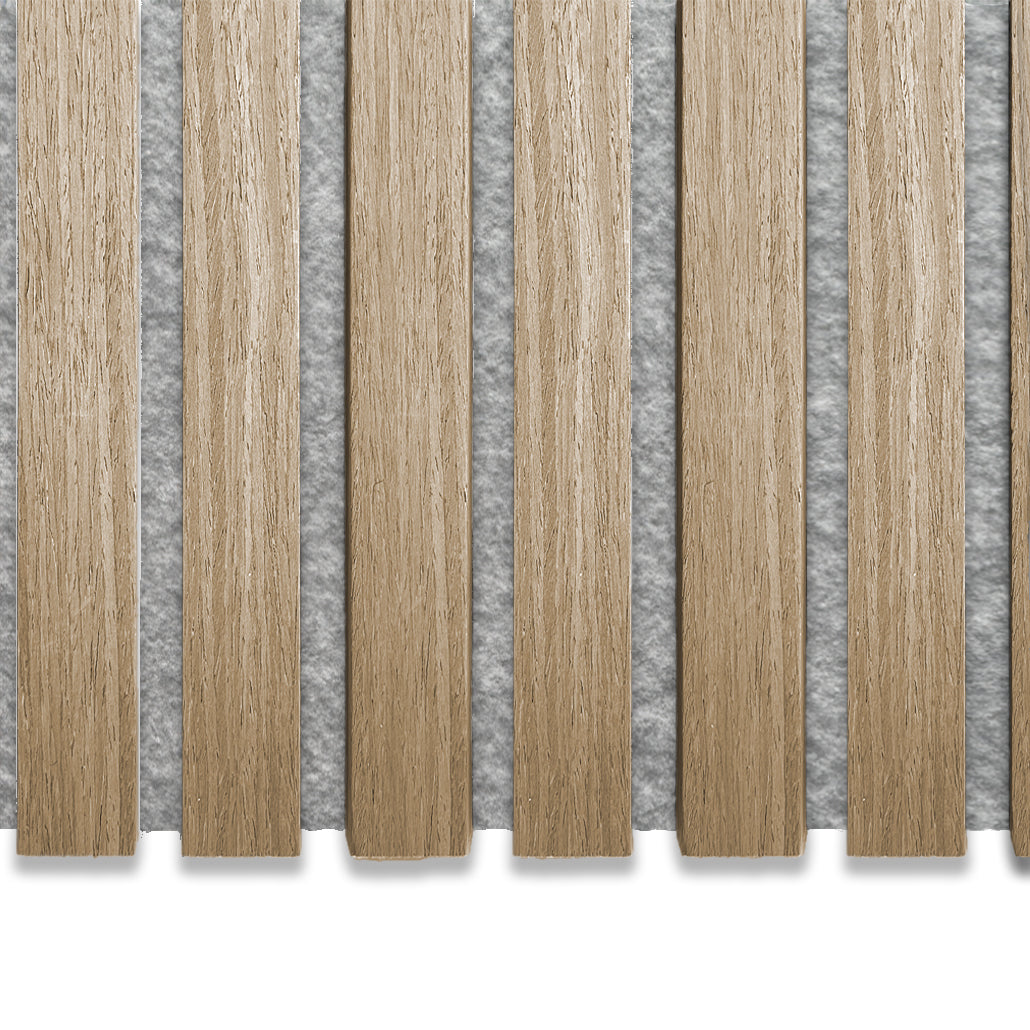
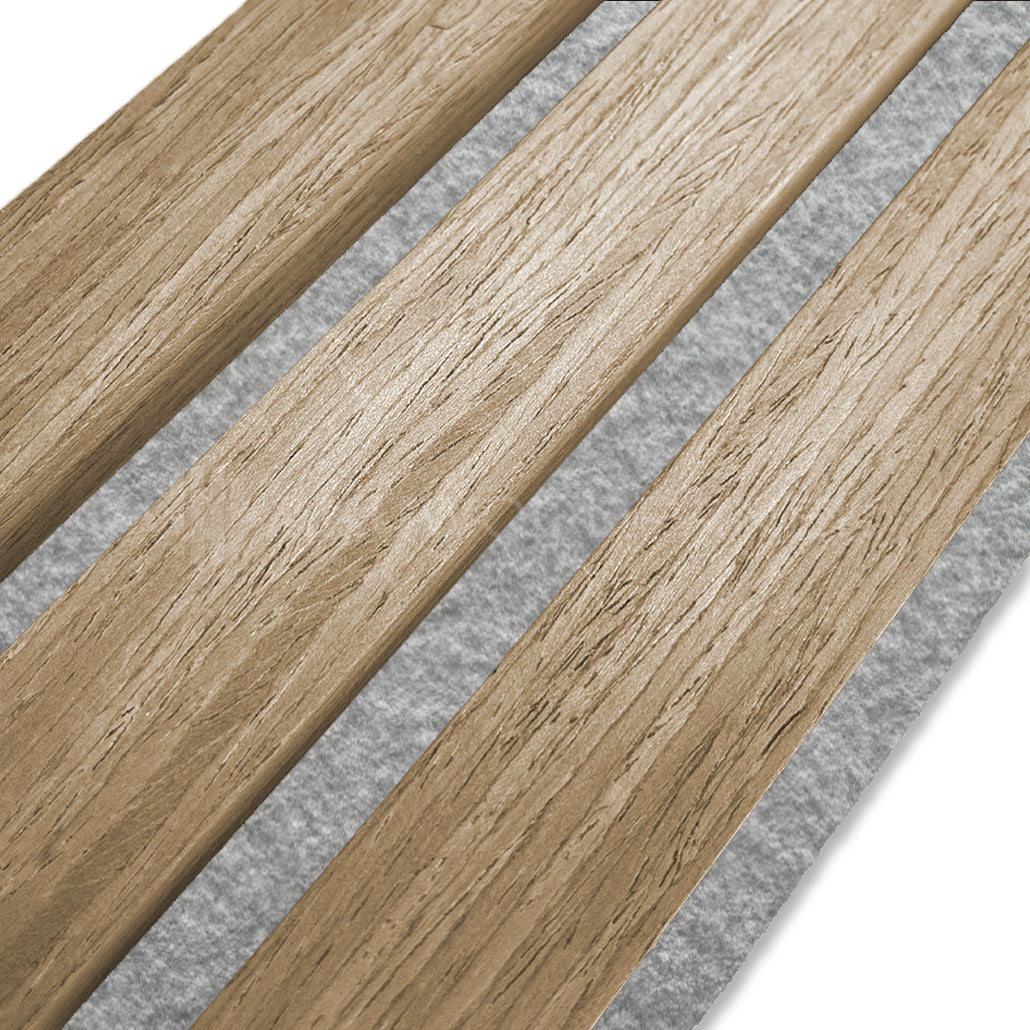
Natural Oak Grey Felt Wooden Wall Panel — the acoustic specialist. This finish pairs a lighter oak veneer with a grey felt backing at £83.95 per panel, and it's the pick worth prioritising for any wall directly behind a mirror bank or speaker stack. Buy it for barre-adjacent walls where absorption matters more than statement design. See the grey felt oak panel for specs.
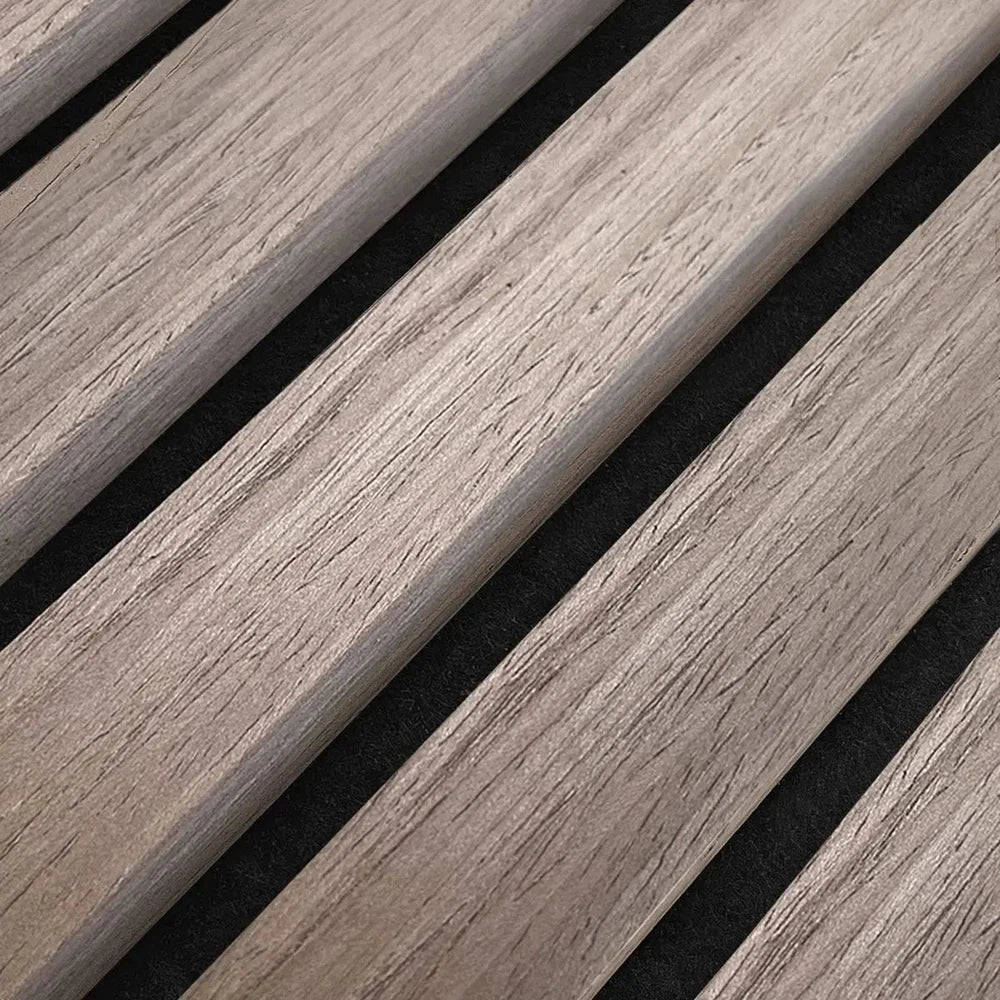
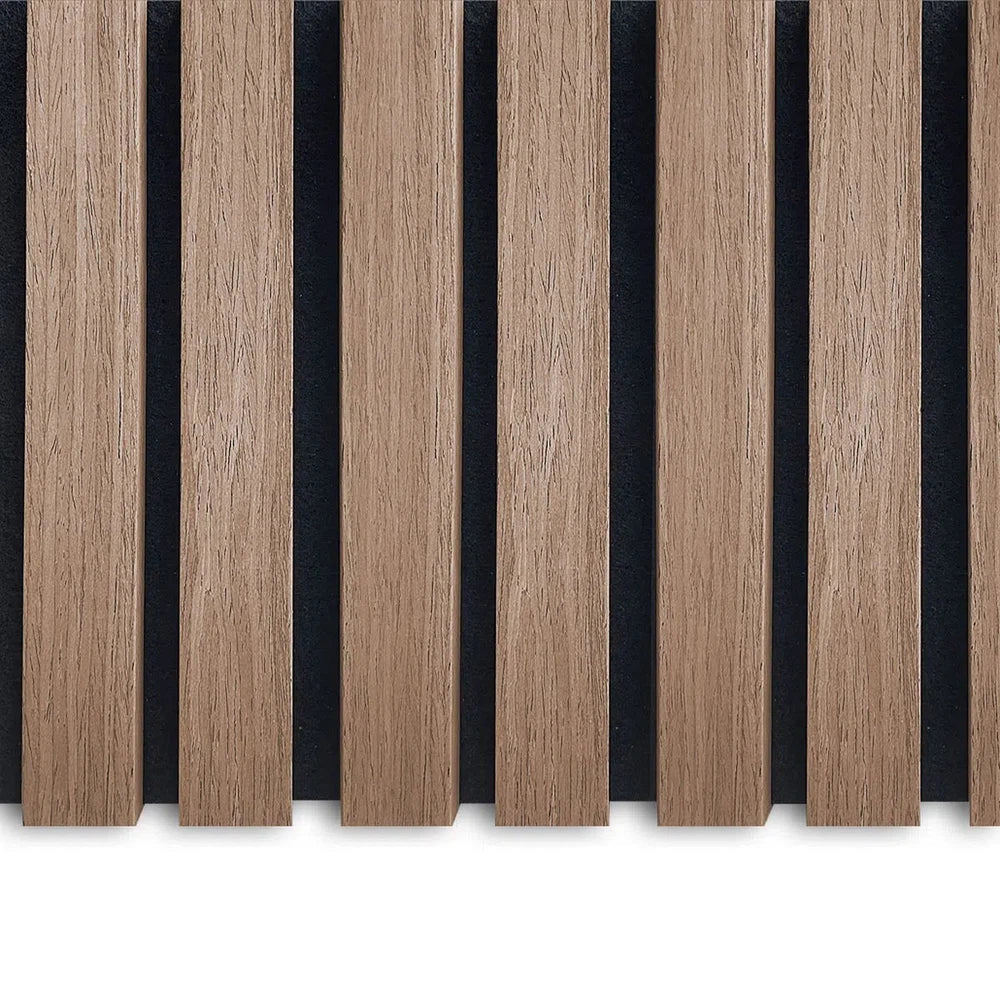
Black Oak Wooden Wall Panel — the mark-hiding statement wall. At £84.95 a panel, the dark finish does double duty: it absorbs sound and it doesn't show scuffs from dance bags, resin dust, or shoe contact the way pale finishes do. Buy for back walls and entrance corridors that take the most daily contact. Check the Black Oak wall panel page for the full finish detail.
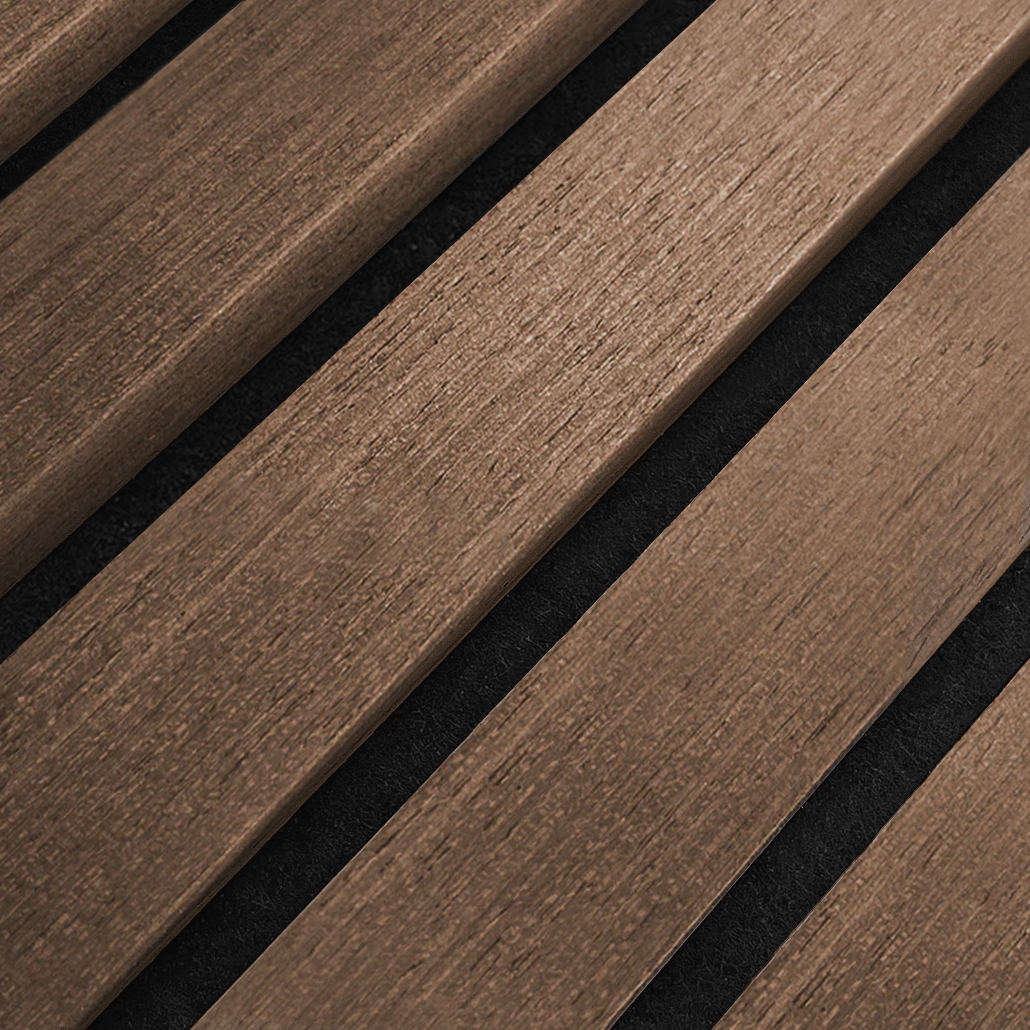
Smoked Oak Wooden Wall Panel — the budget entry point. Priced at £80.95, this is the lowest per-panel cost in the range while keeping the same 3-sided veneer build as the pricier finishes. Consider it if you're panelling a large studio and need to stretch the budget across more square metres — the Smoked Oak panel still delivers the acoustic backing that matters.
Walnut Wooden Wall Panel — the warm-tone pick for boutique studios. At £83.95, Walnut suits smaller Pilates or barre-fitness studios going for a warmer, spa-like feel rather than the darker performance-studio look. Consider for reception areas and smaller treatment-style rooms rather than the main dance floor.


What to avoid
- Foam acoustic tiles marketed as budget alternatives. They absorb reasonably well but look unfinished in a room parents and students photograph constantly, and most don't carry a real wood face at all.
- Full mirror-wall coverage. Panelling straight over or immediately opposite a full mirror bank cancels the point of the mirror and doesn't actually fix the reflection problem — it just moves it.
- Thin laminate-wrap panels sold as "wood effect." These chip at skirting height within months in a room with regular foot and shoe contact, unlike a genuine 3-sided veneer build.
Verdict comparison
| Panel | Price | Backing | Best wall | Verdict |
|---|---|---|---|---|
| Natural Oak Grey Felt | £83.95 | Grey felt acoustic | Barre / mirror-adjacent | Buy |
| Black Oak | £84.95 | Standard acoustic | High-contact back walls | Buy |
| Smoked Oak | £80.95 | Standard acoustic | Large-format budget runs | Consider |
| Walnut | £83.95 | Standard acoustic | Reception / smaller studios | Consider |
FAQ
What's the best acoustic wood panel for a dance studio?
Natural Oak Grey Felt is the strongest all-round pick for 2026 because it pairs a felt acoustic backing with 3-sided real wood veneer at £83.95 a panel. It performs best on walls near mirrors or speakers where reflected sound is worst.
Do acoustic wood panels actually reduce echo in a dance studio?
Yes, panels with a felt or acoustic backing absorb mid and high frequencies that bare drywall and mirrors reflect. The wood veneer face doesn't do the absorbing on its own — the backing material behind it does the work.
Should I cover the mirror wall with acoustic panels too?
No. Covering or facing off a full mirror wall defeats the room's visual purpose and doesn't solve the underlying reflection problem. Panel the two or three non-mirror walls instead and leave the mirror wall as is.
How much do acoustic wood panels cost for a dance studio in 2026?
Individual panels in the Akustiq UK range run from £80.95 for Smoked Oak up to £84.95 for Black Oak, before glue and end pieces. Total cost depends on wall area and panel format chosen, 240 cm or 300 cm.
Is Black Oak or Natural Oak better for a dance studio?
Black Oak hides scuffs and shoe marks better and suits high-contact back walls, while Natural Oak Grey Felt is the stronger acoustic performer for walls near mirrors. Pick based on which wall you're treating rather than looks alone.
What panel size should I order for a dance studio ceiling?
Measure your ceiling height first: 300 cm panels run floor-to-ceiling without a horizontal seam in taller rooms, while 240 cm suits standard studio conversions. A seamless run looks cleaner in a mirrored room where students stare at the wall for an hour at a time.
Can I install acoustic wood panels myself in a studio?
Glue-applied panel systems can go up without a full stud-and-batten build, which keeps studio downtime to a day or two per wall rather than weeks. Check panel glue compatibility with your wall type before starting.
How many acoustic wood panels does a typical studio wall need?
That depends entirely on your wall dimensions and the panel format you choose, 240 cm or 300 cm lengths. Measure the wall area first and order slightly over rather than under, since matching a finish batch later can be difficult.
One last thing
Most studios over-panel. Covering every wall in acoustic wood panels doesn't improve the acoustics much beyond covering 60-70% of the hard wall area — the mirror wall was never going to take panelling anyway, and one bare accent wall keeps the room from feeling closed in under studio lighting. Treat the two loudest walls properly before you spend a 2026 budget covering all four.