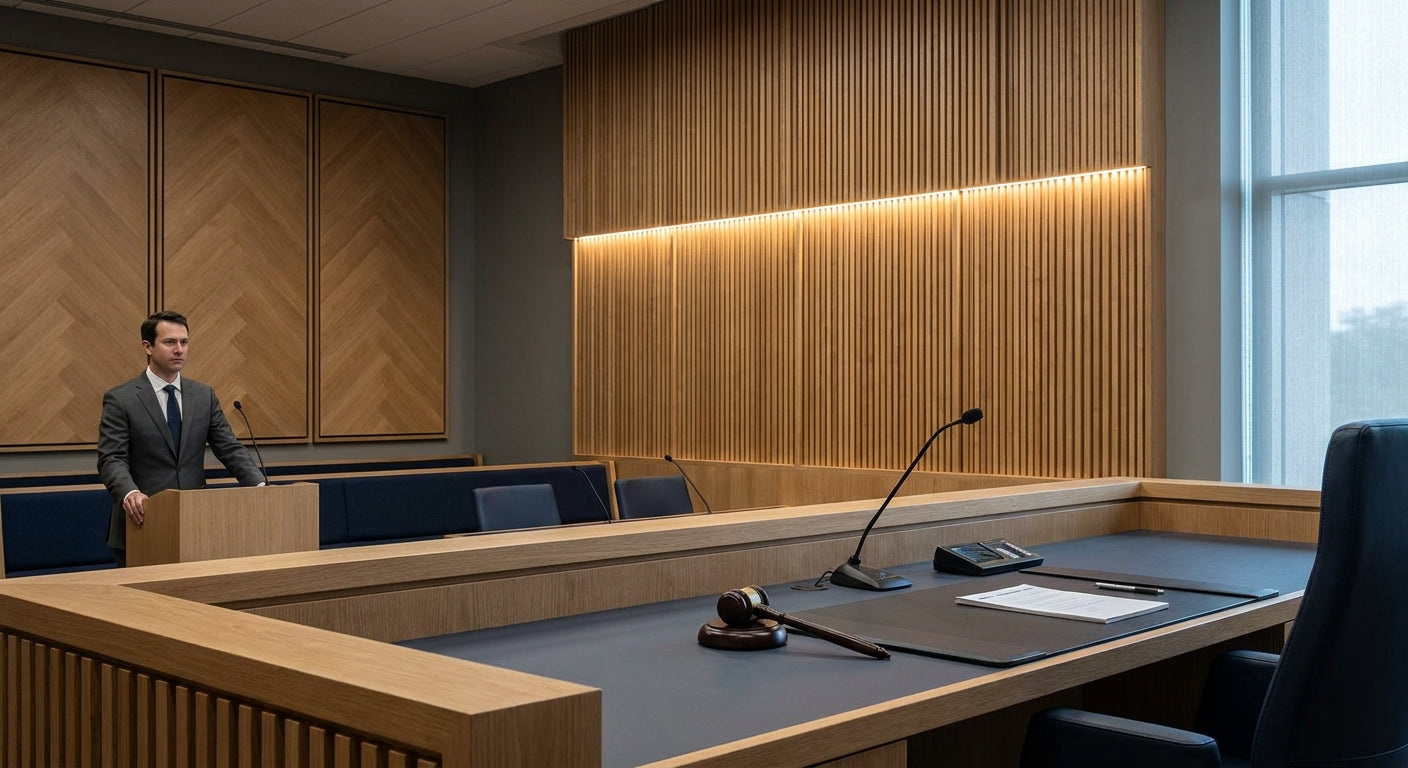
Courtroom walls need to do two jobs at once: absorb enough sound that testimony stays intelligible and look formal enough that nobody mistakes the room for a boardroom. Acoustic wood panels solve both, but the wrong finish or format turns a refurbishment budget into wasted spend.
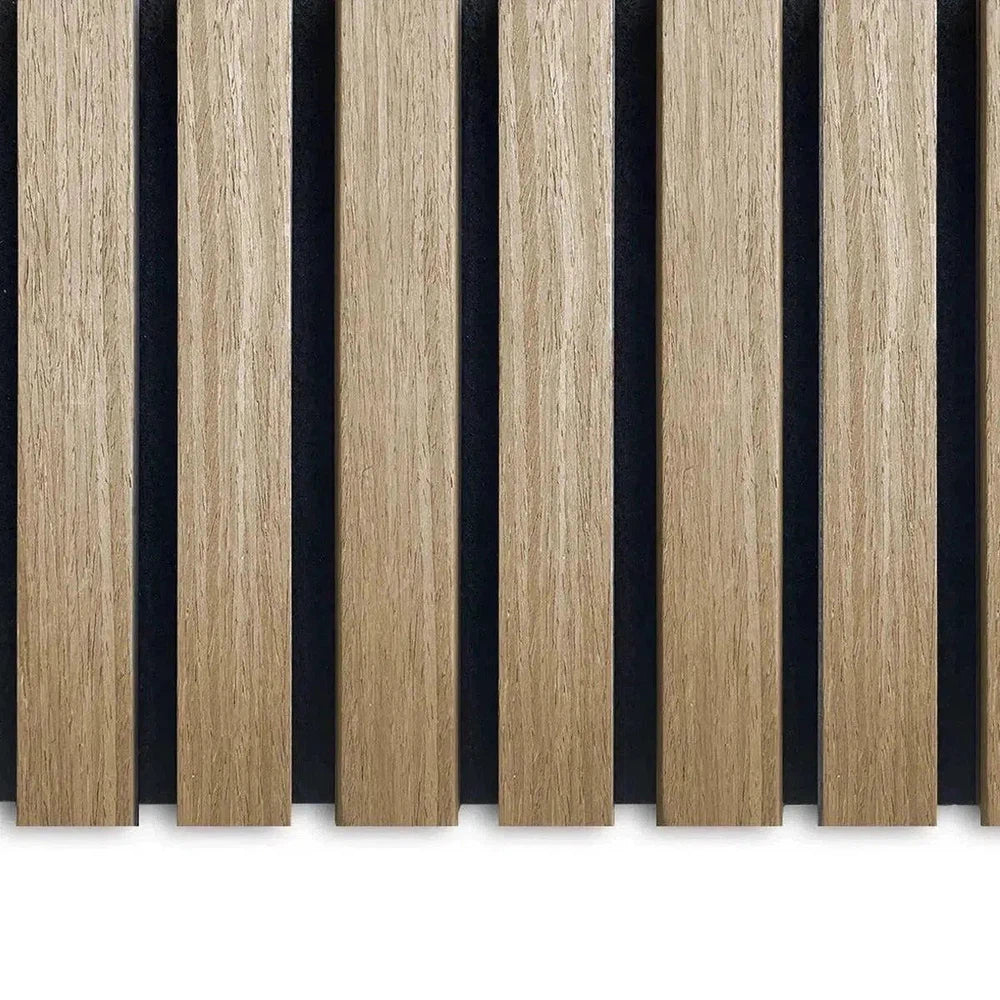
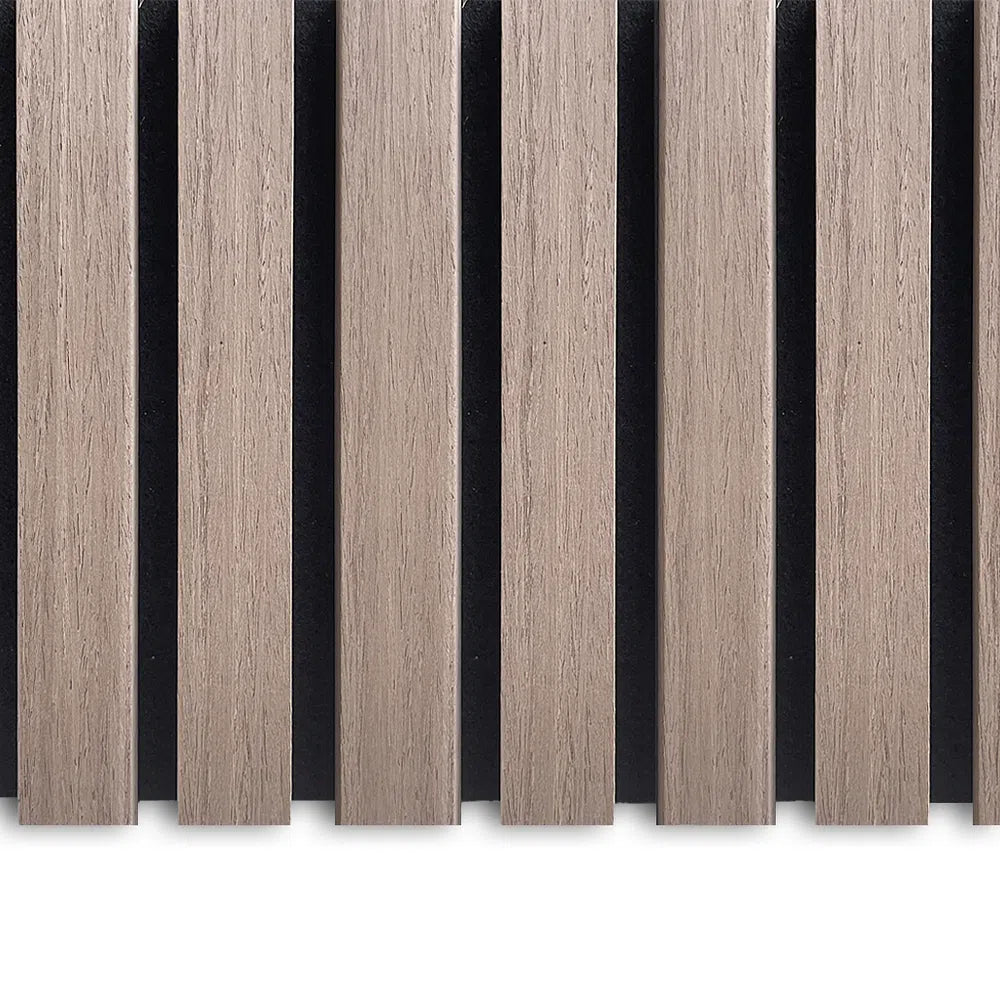
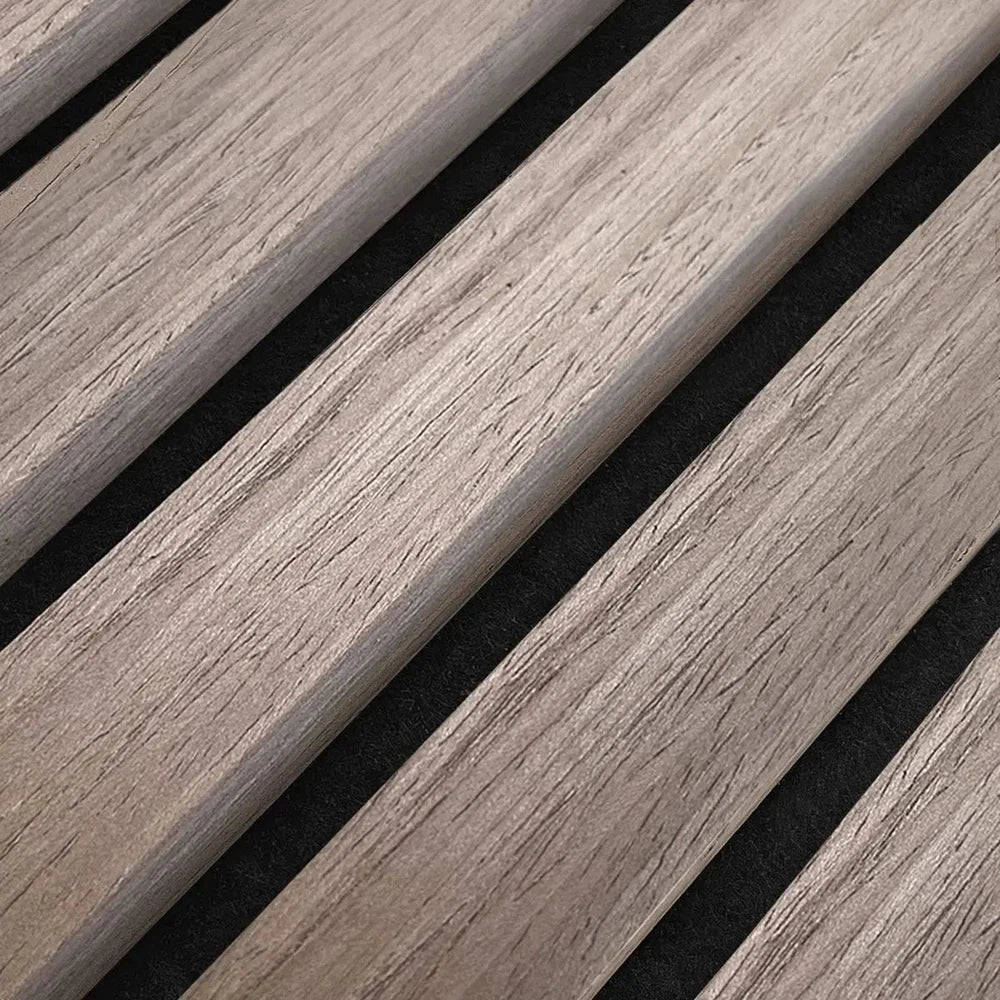
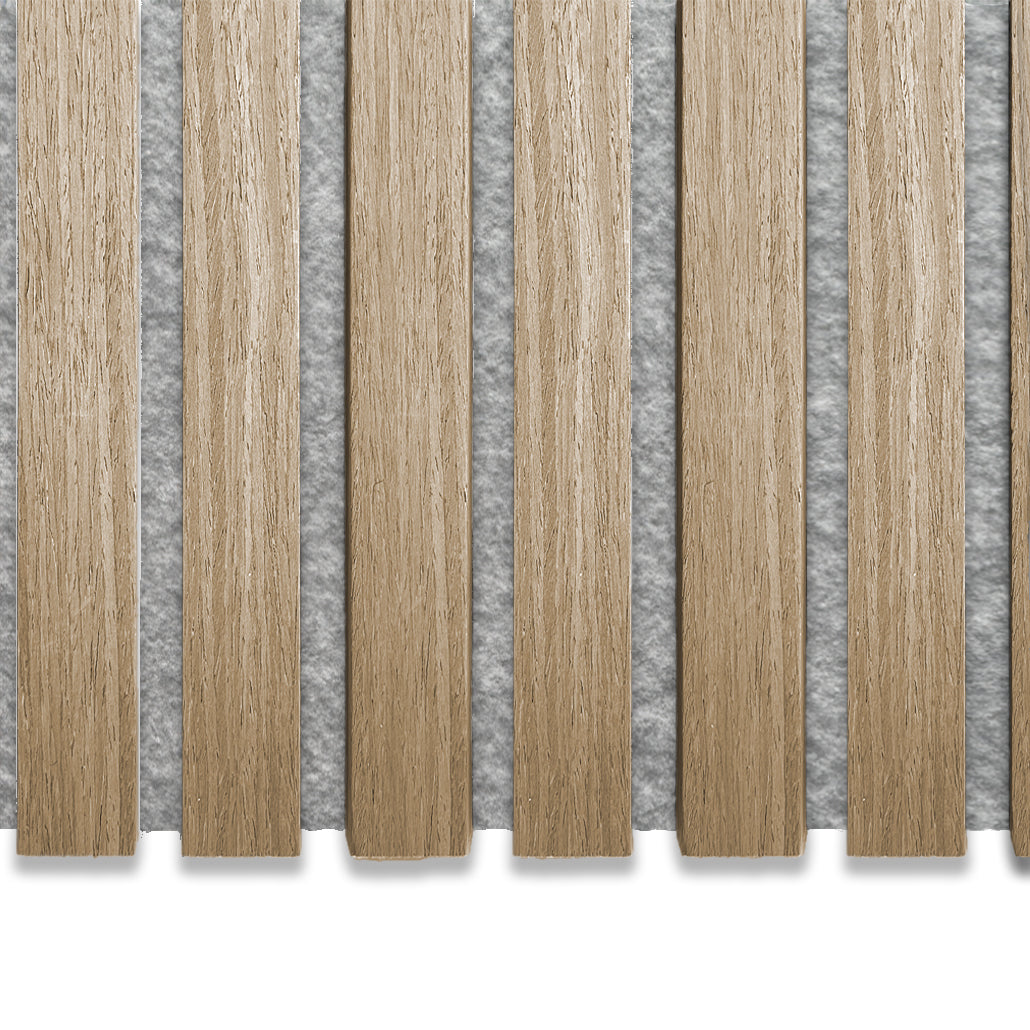
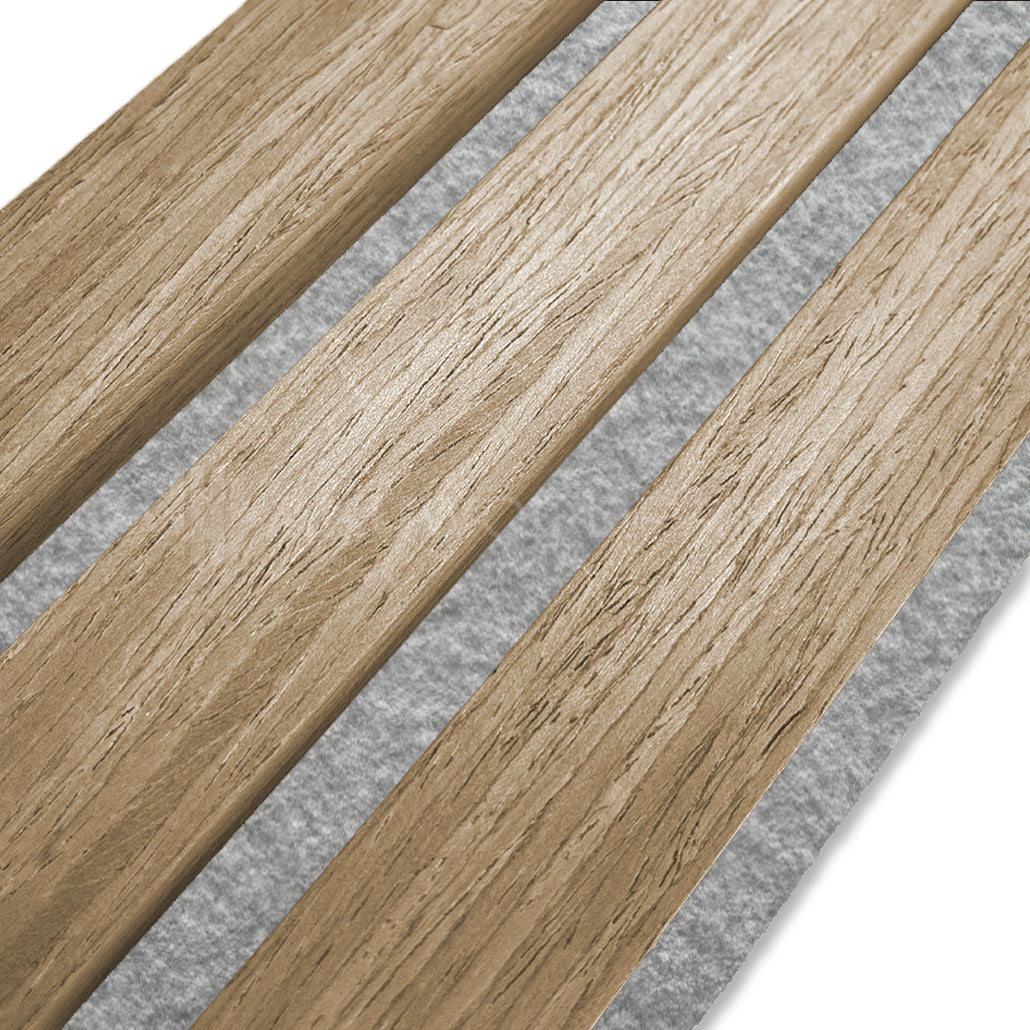
- Natural Oak wall panel with grey felt backing wins for courtroom walls in 2026 - NRC 0.75 acoustic backing cuts echo where every word of testimony matters. Buy.
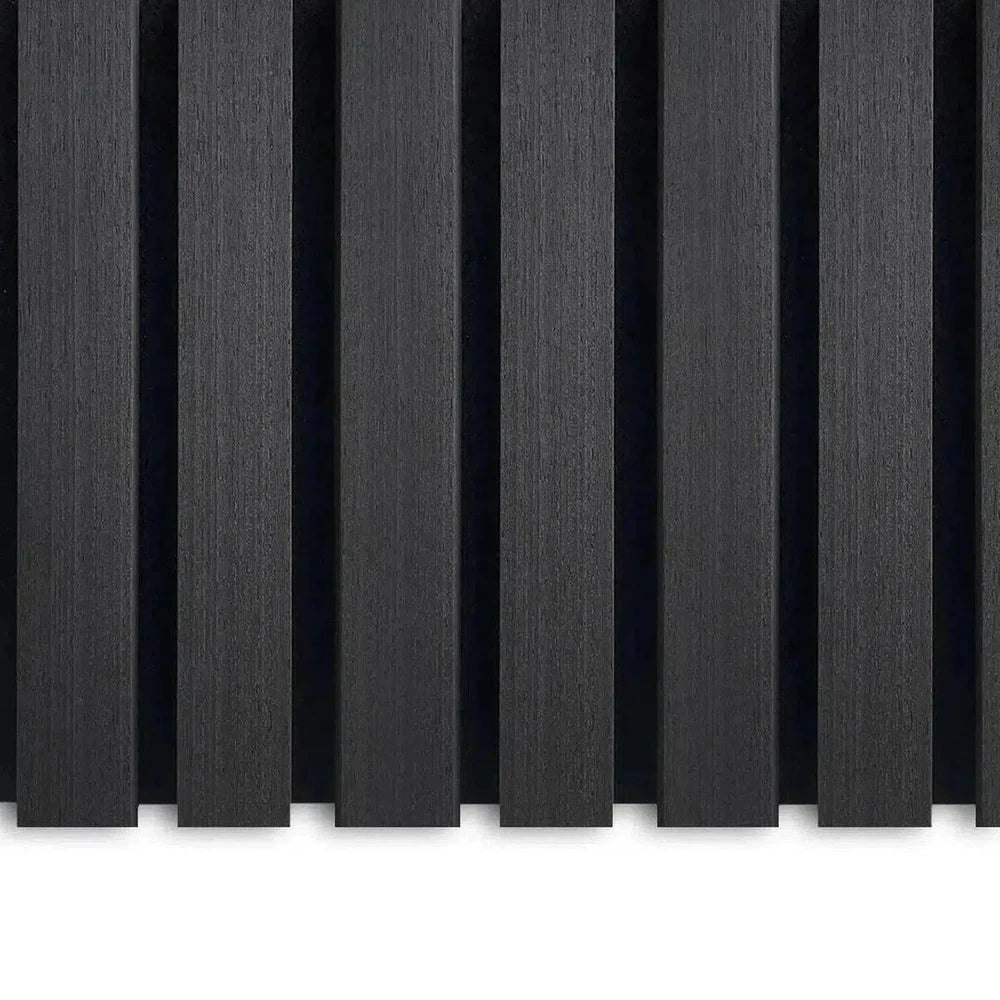
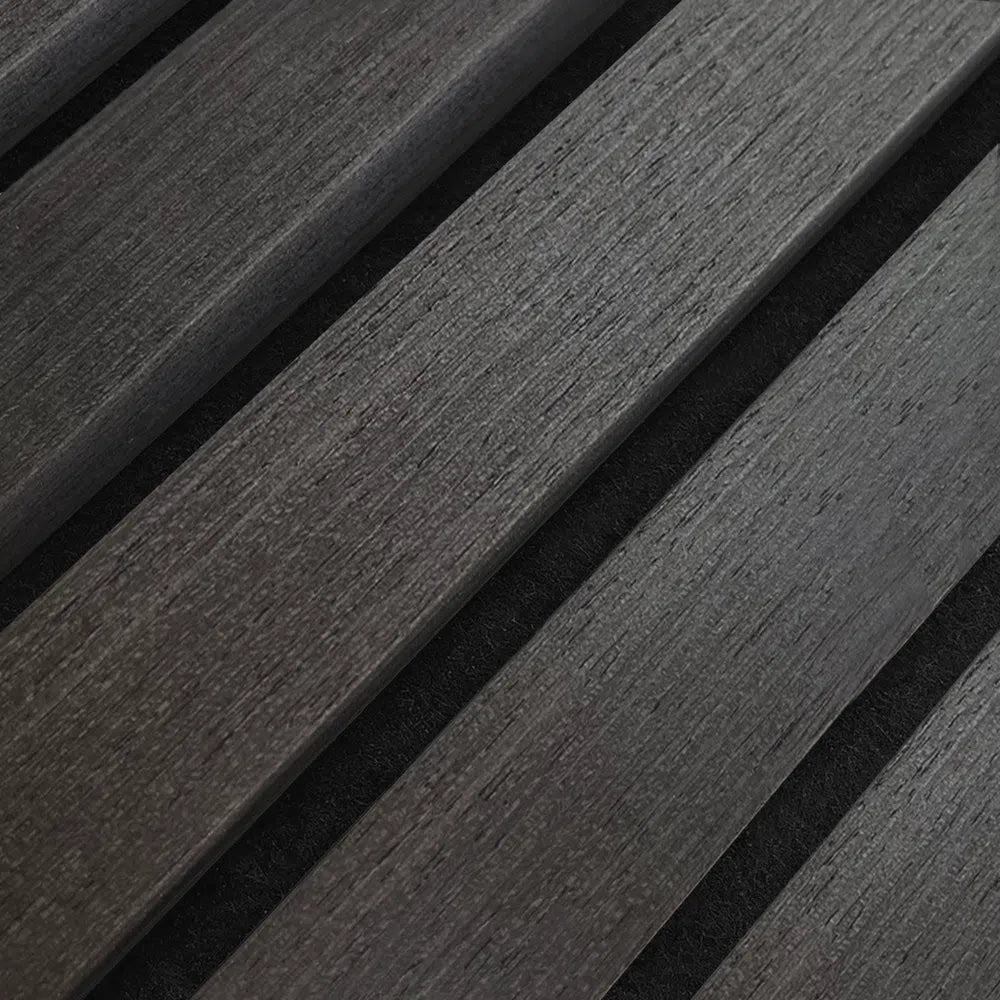
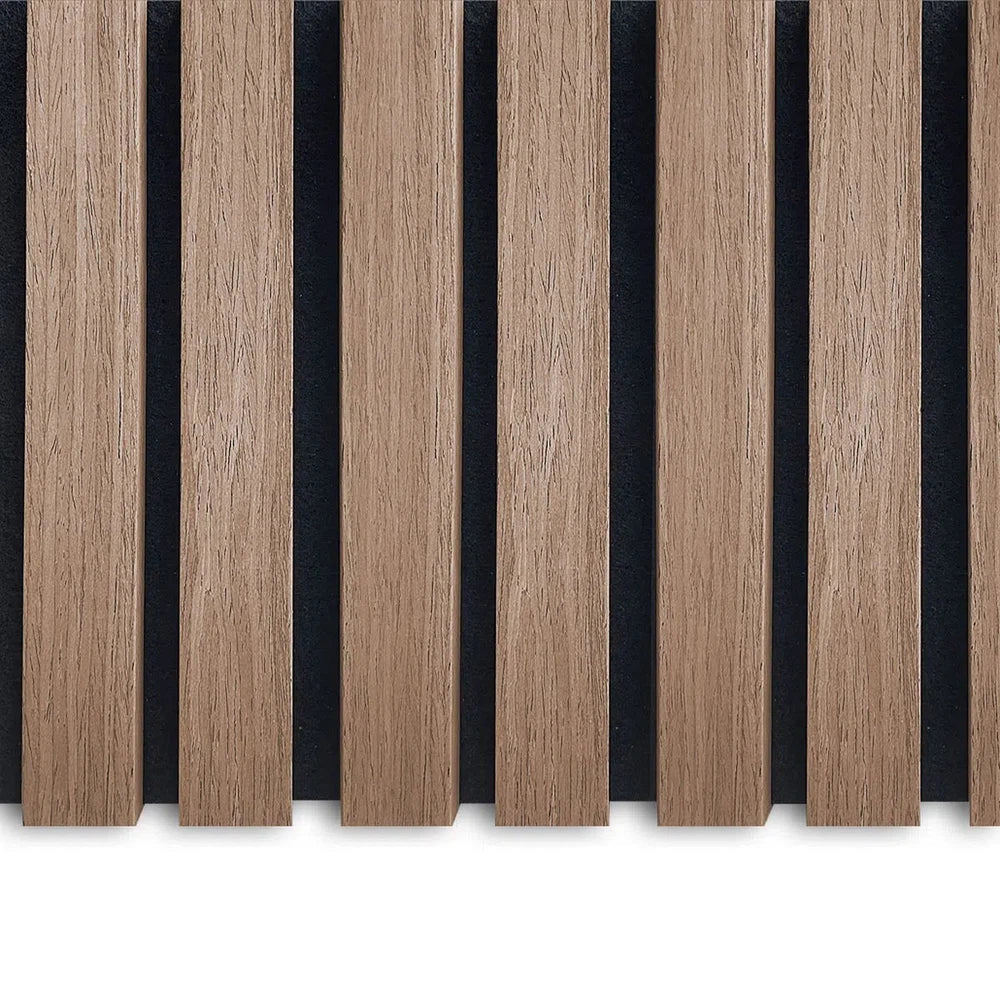
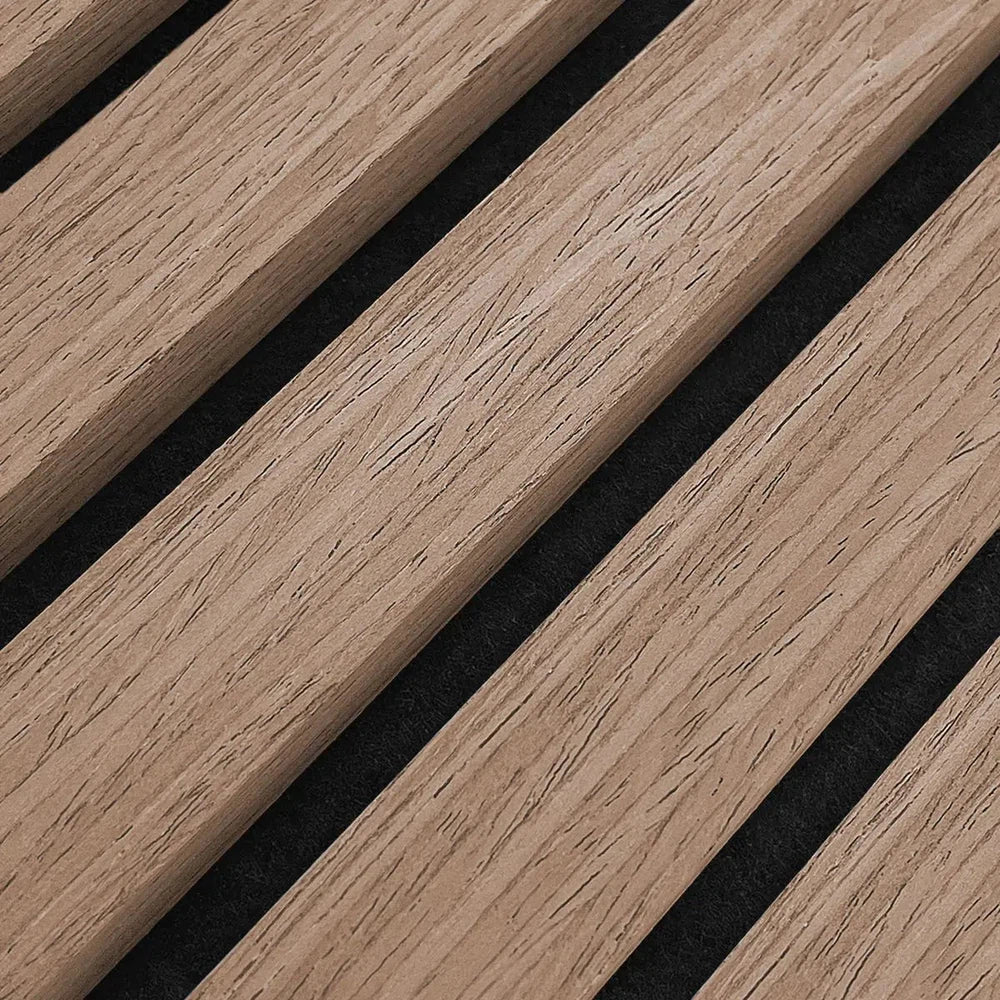
- Black Oak suits the judge's bench and formal panelling runs for gravitas - treat it as a feature-wall pick, not a full-room solution. Consider.
- Skip decorative 3D panels and hexagon patterns directly behind the witness box - visual noise competes with jury focus. Skip.
- 240cm and 300cm panel formats cover most courtroom ceiling heights without visible horizontal seams.
Why this matters
Courtrooms are hard-surfaced by design - stone, plaster, glazed partitions, hard flooring for cleaning. Every one of those surfaces bounces sound back into the room, and in a chamber where a stenographer or digital recording system depends on clean speech, reverberation is not a comfort issue, it's a functional failure.
Court refurbishment briefs in 2026 increasingly specify acoustic treatment as a line item, not an afterthought, because poor speech intelligibility has been flagged in accessibility reviews of public buildings. Acoustic wall panels give facilities teams a way to hit absorption targets without hanging fabric panels that look wrong in a formal setting - and acoustic wall panels with a real wood veneer finish read as architecture, not soft furnishing.
Who this is for
This guide is built for facilities managers, architects and contractors specifying interior finishes for magistrates' courts, crown court chambers, tribunal rooms and mediation suites. If you're procuring for a public building where speech clarity, durability under daily public traffic and a formal aesthetic all have to coexist, the criteria below apply directly to your spec.
What to look for in acoustic panels for courtrooms
Acoustic backing, not just a wood surface
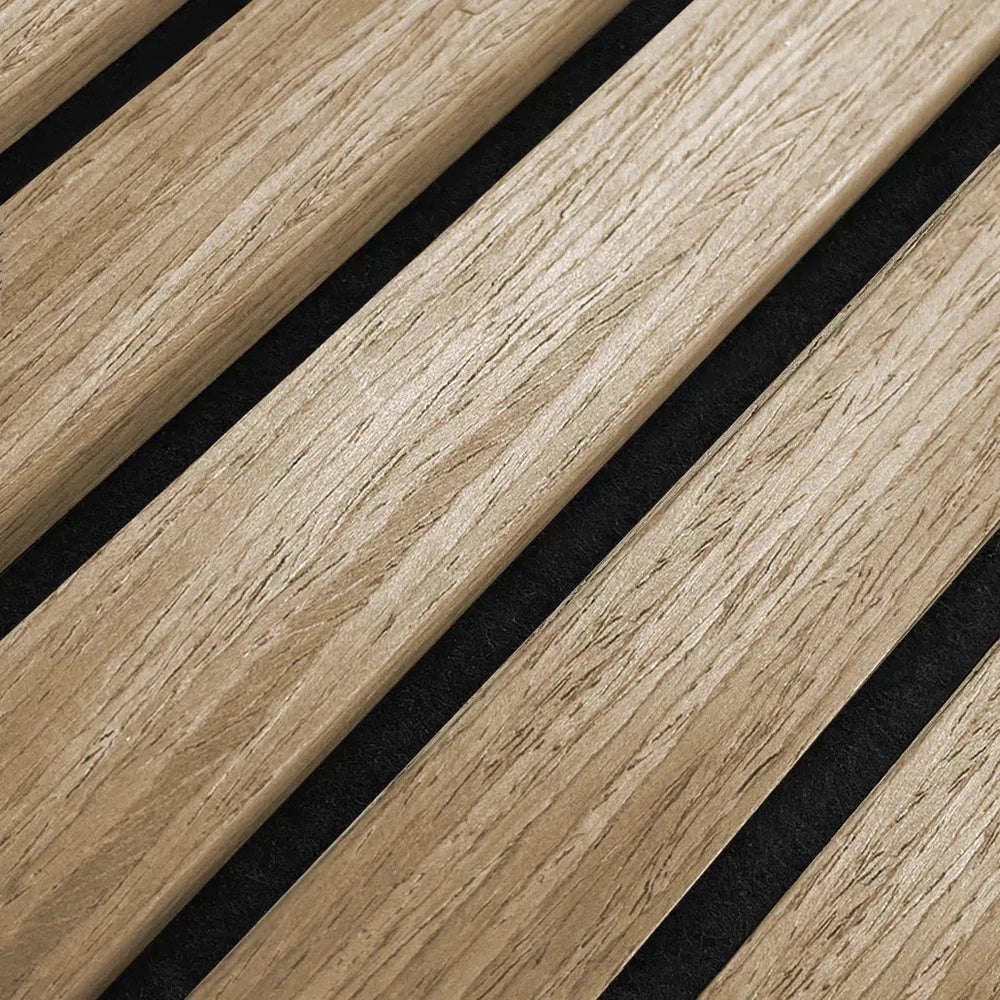
A veneer finish alone does nothing for reverberation - the felt or acoustic backing behind the panel is what actually absorbs sound. Panels rated around NRC 0.75, like the felt-backed oak range, do measurable work in a room where a barrister's voice needs to carry clearly to the back bench.
Fire rating documentation
Public buildings carry stricter fire compliance than a domestic living room refit. Ask for fire rating documentation on any wall panel before it goes anywhere near a courtroom spec, and keep that paperwork with the project file - building control will ask for it at sign-off.
Finish tone that reads formal, not domestic
A courtroom is not a living room feature wall. Natural Oak and Grey Oak read neutral and institutional; Black Oak and Walnut carry more weight and suit a judge's bench or panelling run behind the bar. Avoid anything with a decorative 3D texture - it belongs in a hallway, not a chamber.
Panel format and seam control
Courtroom walls run long and tall, often floor-to-ceiling behind the bench or along a public gallery. Panels come in 240cm and 300cm formats, and picking the format that matches your wall height in one run avoids a visible horizontal seam halfway up a formal panelling scheme.
Maintenance under daily public traffic
Courtrooms see daily footfall from the public, legal teams and court staff, and walls get knocked, brushed and occasionally kicked. A real wood veneer finish holds up better under that traffic than painted MDF or fabric-wrapped acoustic board, and it doesn't show wear the way a soft finish does.


Top picks for courtroom walls
Natural Oak wall panel with grey felt backing - the acoustic workhorse. It carries the 0.75 NRC rating that does the heavy lifting on speech intelligibility, and the pale oak tone stays neutral enough for a public gallery wall or a full panelling run behind the bar. Buy it as the default spec for any wall where absorption is the priority. See the Natural Oak wall panel with grey felt backing.
Black Oak - the gravitas pick. This finish carries visual weight that suits a judge's bench surround or a formal panelling run in a crown court chamber, where the brief calls for authority over softness. Treat it as a feature-wall or accent finish rather than a full-room solution - too much dark oak in a windowless chamber reads heavy rather than formal. Consider it for the bench wall only. Check the Black Oak wall panel.
Smoked Oak - the compromise pick. A mid-tone finish that sits between the pale neutrality of Natural Oak and the weight of Black Oak, it works well in courtrooms with heavy natural light where a darker finish would read as too much contrast. Consider it for chambers with large windows.
Rustic Oak, 3-sided premium veneer - the textured option. More grain variation reads as traditional rather than corporate, which can suit a Victorian-era magistrates' court where the rest of the joinery is period timber. Consider it only where the existing architecture is already traditional - in a modern tribunal building it will clash. Otherwise, Skip.
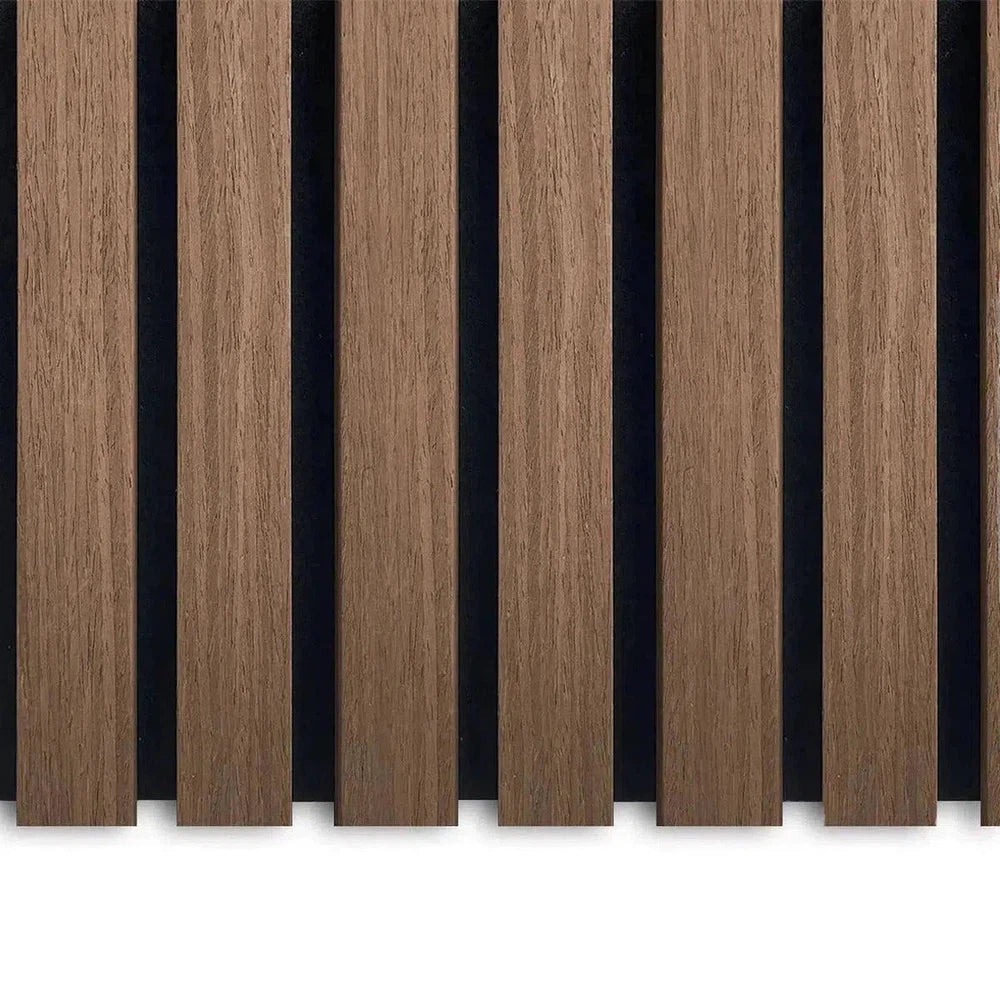
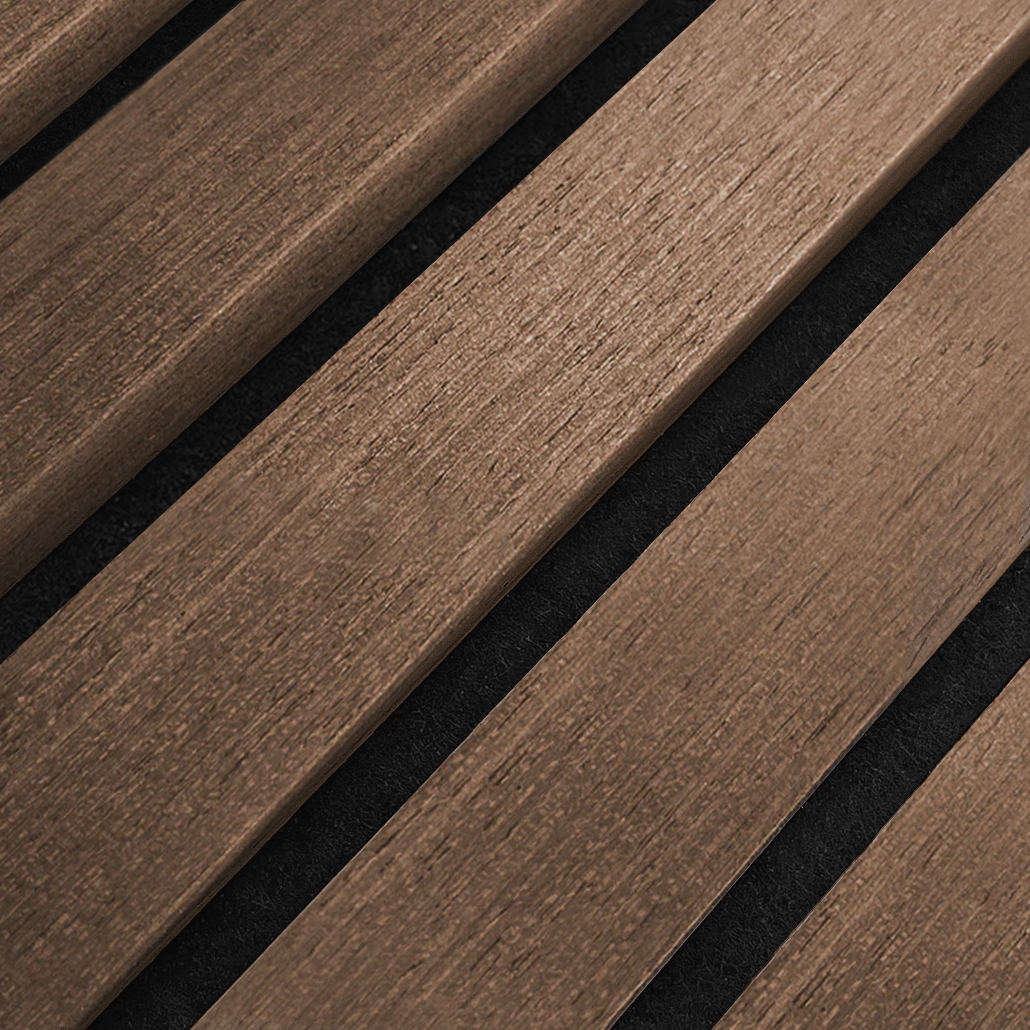
Walnut - the high-end alternative. Richer tone and more visual weight than oak, it's the pick for a crown court chamber or a private mediation suite where budget allows for a premium finish. Consider it where the brief specifically calls for a higher-end material palette.
What to avoid
- Decorative 3D panels (clover, snowdrop patterns) - built for domestic feature walls, not public buildings, and they read as decorative rather than institutional.
- Hexagon patterns directly behind the witness box or bench - the geometric repeat competes for visual attention in a space where the jury's focus needs to stay on the speaker, not the wall. Hexagon panels work fine in a public waiting area or corridor, just not the chamber itself.
- Exterior cladding panels used indoors - the exterior range is built for facade weather exposure, not acoustic performance or fire compliance inside a public building. Keep the two ranges separate in your spec.
Verdict comparison
| Panel | Finish tone | Acoustic backing | Best courtroom use | Verdict |
|---|---|---|---|---|
| Natural Oak + grey felt | Pale, neutral | NRC 0.75 | Full-room walls, public gallery | Buy |
| Black Oak | Dark, formal | Standard veneer | Judge's bench feature wall | Consider |
| Smoked Oak | Mid-tone | Standard veneer | Rooms with heavy natural light | Consider |
| Rustic Oak premium | Textured, traditional | Standard veneer | Period-building chambers only | Consider / Skip |
| Walnut | Rich, premium | Standard veneer | Crown court, mediation suites | Consider |
FAQ
What's the best acoustic panel for courtroom walls in 2026?
The Natural Oak wall panel with grey felt backing is the strongest general-purpose pick for 2026 courtroom specs, carrying an NRC 0.75 rating that reduces reverberation without a decorative finish. It suits full-height panelling runs behind the bar and along public gallery walls.
Do wood veneer acoustic panels meet fire safety rules for public buildings?
Fire rating varies by manufacturer and panel range, so confirm documentation before specifying any wood panel for a courtroom. Keep the fire rating paperwork with the project file for building control sign-off.
How much does it cost to panel a courtroom wall with acoustic wood panels?
Cost depends on wall area, panel format and finish, with hexagon acoustic units priced at £40.95 per 81cm panel as a reference point. Full-height oak panels in 240cm or 300cm formats price differently - check current listings for the exact run needed.
Is Black Oak or Natural Oak better for a courtroom's formal look?
Natural Oak reads neutral and works across the whole room, while Black Oak carries more visual weight and suits a judge's bench or feature panelling only. Most courtroom specs use Natural Oak as the base and Black Oak as an accent.
Can acoustic wood panels be fitted directly onto concrete courtroom walls?
Yes, acoustic wood panels can be fixed to concrete walls with the right adhesive and fixing method for a solid substrate. Older court buildings with masonry walls need a different fixing approach than a modern plasterboard partition.
How many acoustic panels does a typical courtroom need?
A mid-size courtroom wall of roughly 4 metres by 3 metres needs around 20 panels in the 300cm format, though exact counts depend on wall height and panel width. Measure the full wall run before ordering to avoid a short delivery.
Do hexagon acoustic panels work for courtroom walls?
Hexagon acoustic panels work well in courtroom corridors and public waiting areas but are better avoided directly behind the witness box or bench. The geometric pattern distracts from the speaker in the exact spot where visual focus matters most.
What's the difference between 240cm and 300cm panel formats?
The 240cm format suits standard ceiling heights, while 300cm covers taller courtroom walls in a single run without a horizontal seam. Measuring the exact wall height before ordering determines which format avoids an awkward cut.
One last thing
The detail most refurbishment briefs miss: acoustic performance and visual formality pull in opposite directions, and the felt-backed oak range is one of the only finishes on the market that does both without compromise. A courtroom paneled entirely in Black Oak looks impressive in a render and oppressive in daylight - reserve the dark finish for the bench wall and let Natural Oak with grey felt backing carry the rest of the room in 2026.