

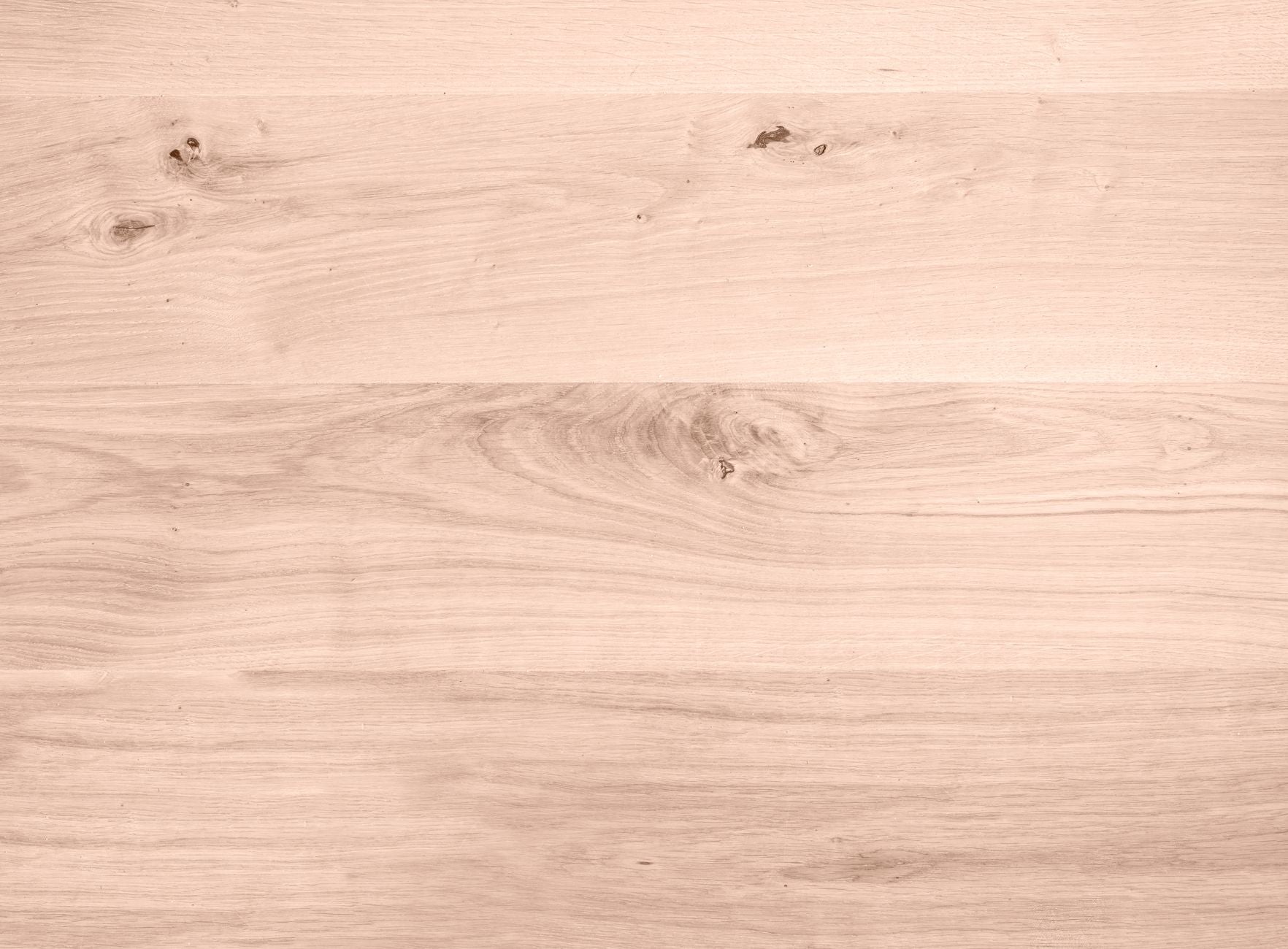
Rustic oak veneer wall panels bring the warmth of raw timber grain, natural colour variation, and tactile depth to a living room without the weight, cost, or maintenance burden of solid wood — and in 2026, they remain one of the most requested interior finishes in UK homes.
TL;DR: For living rooms where character and warmth matter more than minimalism, rustic oak veneer wall panels are the strongest choice in 2026. Aku Wood Panel's rustic oak premium 3-sided wood veneer panel is the standout pick: real oak veneer on three exposed faces, built-in acoustic felt backing, and a finish that suits both contemporary and traditional interiors. Order a sample rustic oak panel before committing to a full wall.
Why rustic oak works in living rooms
Living rooms absorb ambient noise from TV, conversation, and hard flooring. A flat painted wall reflects all of it. Slatted veneer panels with a felt backing reduce flutter echo and mid-frequency reverberation — the kind that makes a room feel loud even at low volumes. Rustic oak in particular carries visible grain variation, knots, and tonal shifts that read as texture even from across the room, so a single feature wall delivers visual impact without pattern or colour.
In 2026, interior designers in the UK are pairing raw oak tones with warm white plaster, aged brass fittings, and linen sofas. Rustic oak veneer sits directly in that palette — it neither clashes with neutral schemes nor demands a complete redesign.
Who this guide is for
This guide is written for homeowners planning a living room feature wall, renovation contractors specifying materials for residential clients, and interior designers sourcing panels that ship to the UK with consistent batch quality. If you want solid wood, you are in the wrong place — solid timber at living-room scale costs 4–6× more per square metre and is far more sensitive to central heating humidity cycles. Veneer over an engineered core gives you the same surface character with dimensional stability.
What to look for in rustic oak veneer wall panels for living rooms
Real veneer versus printed film
Printed film panels mimic oak grain photographically. Real veneer — sliced from actual oak logs — shows genuine variation: no two panels are identical. For a living room feature wall, real veneer is what you want. The tactile difference is immediately obvious to anyone who touches it, and the way real oak reflects raking light cannot be replicated digitally. Aku Wood Panel's rustic oak range uses genuine oak veneer on three sides of each slat, meaning edges and reveals stay consistent when panels meet at corners.
Acoustic performance of the backing material
The backing material determines how much sound energy the panel absorbs versus reflects. Grey felt backing — a compressed polyester material — is the most common acoustic substrate behind slatted panels, and it performs across the 500 Hz–4,000 Hz range that covers speech and television audio. A living room with hard floors and plaster walls benefits measurably from 6–8 square metres of panel coverage, which is a typical single feature wall. Panels without any acoustic backing are purely decorative and deliver none of this benefit.
Panel construction: 3-sided versus 2-sided veneer
Standard slatted panels veneer only the front face of each slat. When light catches the panel at an angle — which happens constantly in a living room with natural daylight — the raw MDF or plywood edges of 2-sided slats are visible. 3-sided veneer covers the front face and both long edges, so the panel reads as solid timber at every viewing angle. This is worth paying for in a living room, where panels are seen from multiple positions across the room.
Colour stability under living-room lighting
Rustic oak is a warm mid-tone that shifts slightly yellow under incandescent or warm LED lighting and cooler under daylight. That shift is normal and desirable — it gives the wall different character morning versus evening. What to avoid is a finish that looks orange or artificial under warm light, which usually indicates a synthetic stain rather than natural oil or UV-cured lacquer. Check samples under the actual lighting conditions in your room before ordering full panels.
Installation method: glue versus mechanical fixing
Living room walls in UK homes are typically plasterboard on timber stud, dot-and-dab plasterboard on block, or solid brick with a skim coat. Acoustic slatted panels can go up with panel adhesive on all three substrates. High-tack adhesive rated for wood panels — not general-purpose grab adhesive — is the correct choice. Mechanical fixing (screws into studs) is an option for heavier panels but leaves visible fixings unless you use a secret-fix system. For most living room installations, adhesive is cleaner and faster.
Coverage, panel dimensions, and waste calculation
Most slatted wall panels in this category ship as boards rather than individual slats, with each board covering a fixed area — typically around 0.5–0.6 m² per board. Measure your feature wall's net area (subtract windows and door openings), add 10% for cuts and waste, then divide by the board coverage figure to get your order quantity. Under-ordering is a common mistake: batch dye lots vary, and a panel ordered three weeks after the original delivery may not match exactly.
Top picks for rustic oak veneer wall panels in living rooms
The primary pick — Aku Wood Panel Rustic Oak Premium 3-Sided Veneer
The thorough build. This is the panel to specify if you want real oak on every visible face, acoustic felt backing, and a finish that holds up in a heated living room. The 3-sided veneer means no raw edges showing between slats, which is the detail that separates premium slatted panels from budget alternatives. It is the most complete solution in the Aku Wood Panel 2026 range for a living room feature wall.
Verdict: Buy. See the full product at wooden wall panel rustic oak premium 3-sided wood veneer.
The try-before-you-commit option — Rustic Oak Sample
The sensible first step. Before ordering enough panels for a full wall, check the actual colour, grain character, and veneer quality under your living room lighting. The sample lets you confirm the rustic oak tone works with your flooring, furniture, and light sources — all of which affect how the finished wall reads. In 2026, most installers and designers order samples as standard before specifying any veneer product.
Verdict: Buy the sample first, always.
The acoustic upgrade — Natural Oak with Grey Felt
The acoustic-first option. If sound control in your living room is as important as visual impact, the natural oak grey felt panel pairs visible wood slats with a grey felt substrate that remains visible in the gaps between slats. It is a lighter, cooler tone than rustic oak, but the acoustic performance is higher-profile — the felt reads as a design feature rather than a hidden backing layer. Worth considering for open-plan living rooms with hard floors on two or more sides.
Verdict: Consider if acoustic performance outweighs the rustic oak aesthetic requirement.
What to avoid
- Panels with only front-face veneer: In a living room, viewing angles vary constantly. You will see raw MDF edges every time light rakes across the wall. The saving is not worth the visual compromise.
- General-purpose construction adhesive: Products like general grab adhesive can react with the panel backing, causing bubbling or delamination within 12–18 months in a heated room. Use adhesive specified for wood panel installation.
- Ordering without a sample in your actual lighting conditions: Rustic oak photographs differently from how it looks under warm LED lighting at 2,700 K versus cool daylight at 6,500 K. The sample step costs very little and prevents a full-wall mistake.
Comparison table
| Panel | Veneer type | Acoustic backing | Best for | Verdict |
|---|---|---|---|---|
| Rustic Oak Premium 3-Sided | Real oak, 3-sided | Felt | Feature wall, all viewing angles | Buy |
| Natural Oak Grey Felt | Real oak, front | Grey felt (visible) | Open-plan, acoustic priority | Consider |
| Smoked Oak | Real oak, front | Felt | Darker scheme, contemporary | Consider |
| Natural Oak | Real oak, front | Felt | Neutral, classic living room | Consider |
FAQ
What are rustic oak veneer wall panels made from? A thin layer of real oak — typically 0.6–1.0 mm — is bonded to an engineered core, usually MDF or plywood. The "rustic" designation refers to the inclusion of natural grain variation, knots, and colour shifts rather than a uniform or clear-grade oak surface.
Are rustic oak veneer wall panels suitable for living rooms with central heating? Yes. The engineered core is dimensionally stable under the humidity and temperature fluctuations typical in a UK living room with central heating — more stable than solid timber, which can gap or cup when heating cycles are aggressive.
How many panels do I need for a living room feature wall? Measure the net wall area in square metres, add 10% for cuts, then divide by the coverage area per board (check the specific product listing for exact figures). A typical chimney breast or alcove wall of around 3–4 m² requires 6–8 boards depending on panel dimensions.
Can rustic oak veneer wall panels be installed on plasterboard? Yes. High-tack panel adhesive bonds securely to plasterboard without mechanical fixings for most residential applications. Ensure the plasterboard surface is clean, flat, and free of loose paint or wallpaper before applying adhesive.
Do rustic oak veneer panels reduce noise in a living room? Panels with an acoustic felt backing absorb mid-frequency sound, reducing flutter echo and reverberation. They are not soundproofing — they will not block sound transmission between rooms — but they measurably improve the acoustic quality within the room itself.
How do I clean oak veneer wall panels? Dry dusting or a barely damp microfibre cloth is sufficient for routine cleaning. Avoid saturating the surface with water or using solvent-based cleaners, which can lift the veneer bond or strip the finish.
Is rustic oak veneer lighter or darker than smoked oak? Rustic oak is warmer and lighter — mid-brown with honey and amber tones. Smoked oak is darker and cooler, with grey-brown tones produced by an ammonia-fuming or staining process. Both suit living rooms, but they suit different colour schemes.
Can I fit rustic oak veneer panels myself or do I need a tradesperson? Adhesive installation is straightforward for a competent DIYer. The main requirements are a flat, prepared wall, accurate measurement, and correct adhesive. Cutting panels to size around sockets, switches, and reveals is the step most likely to require a mitre saw or track saw for clean results.
One last thing
The end-piece trim is the detail most buyers forget until the last minute. Where a panelled wall meets an unpanelled wall, a window reveal, or a door frame, you need a matching edge trim to finish the transition cleanly. Aku Wood Panel produces a dedicated end piece wooden wall panel rustic oak that matches the veneer finish exactly. Order it with the panels — not after — because it ships from the same production batch and the colour match is guaranteed.
Share:
Mocca Wall Panels for Dining Rooms: Top Picks 2026
Wooden Wall Panels for Co-Working Spaces 2026