Common rooms in student accommodation take more noise abuse per square metre than almost any other communal space — hard floors, exposed ceilings, and forty students competing for airtime over a match on the TV. This guide breaks down which acoustic wood panels for student accommodation actually hold up across a full academic cycle, which ones just look good on a spec sheet, and which finish to skip.
- Natural Oak wall panels are the safe buy for shared lounges in student accommodation in 2026.
- Smoked Oak hides scuffs in high-traffic corridors and entrance zones better than lighter finishes — buy it.
- Skip Walnut for large-scale common room rollouts; keep it for a single reception feature wall instead.
- Rustic Oak Premium's heavier 3-sided veneer suits common rooms that won't get refreshed for several years.
Why this matters
Bare plaster, vinyl flooring, and floor-to-ceiling glazing bounce sound between walls in most PBSA (purpose-built student accommodation) common rooms. When a single room is doubling as a study space, a TV lounge, and a Friday-night gathering point, echo turns background noise into a genuine complaint driver. Noise is consistently one of the top reasons students cite for wanting to move room mid-tenancy.
Acoustic wood panels for student accommodation solve two problems in one install: they cut reverberation and they survive the abuse a standard September-to-June cycle puts on shared furniture and finishes. The acoustic wall panel range at Akuwood Panel ships in 240cm and 300cm formats, which matters when you're covering a double-height common room wall with as few joints as possible.
Get the wrong panel spec'd in 2026 and you're re-decorating every summer changeover. Get the right one and it survives three or four cohorts without a repaint.
Who this is for
This guide is for university estate managers, PBSA operators, and letting agents speccing finishes for shared lounges, kitchens, and study commons ahead of a September intake. Whether you're refurbishing a 200-bed hall of residence or a 12-room HMO common room, the criteria below scale the same way — the cost of getting the panel choice wrong just grows with the size of the building.
What to look for in acoustic panels for student accommodation
Acoustic performance under heavy footfall and voice noise
A common room with 20-plus students talking, laughing, and running a games console needs more than a decorative slat wall — it needs a felt-backed panel doing actual sound absorption work. Panels built with an acoustic felt backing behind the wood veneer cut reverberation noticeably more than a solid slat board with no backing at all. That's the difference between a common room that feels lively at 9pm and one that feels like a shouting match.
Scuff and impact resistance for high-turnover tenancies
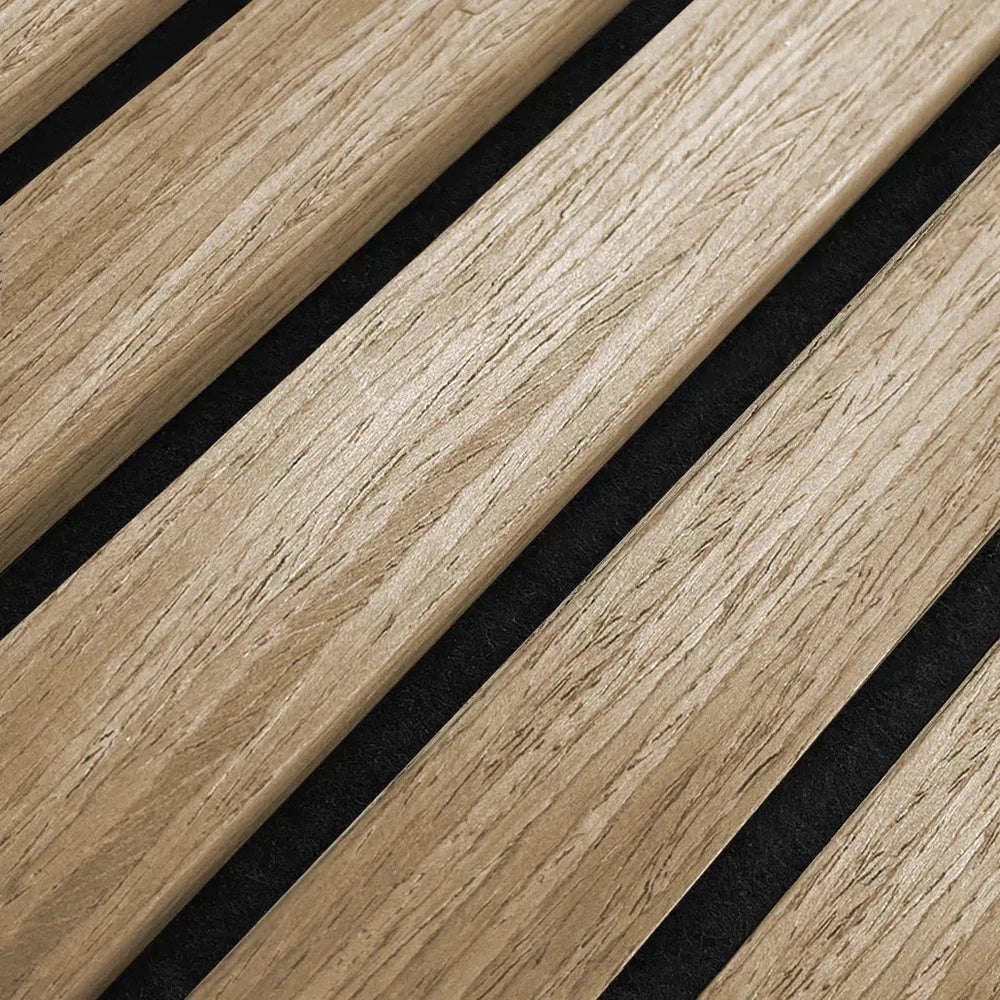
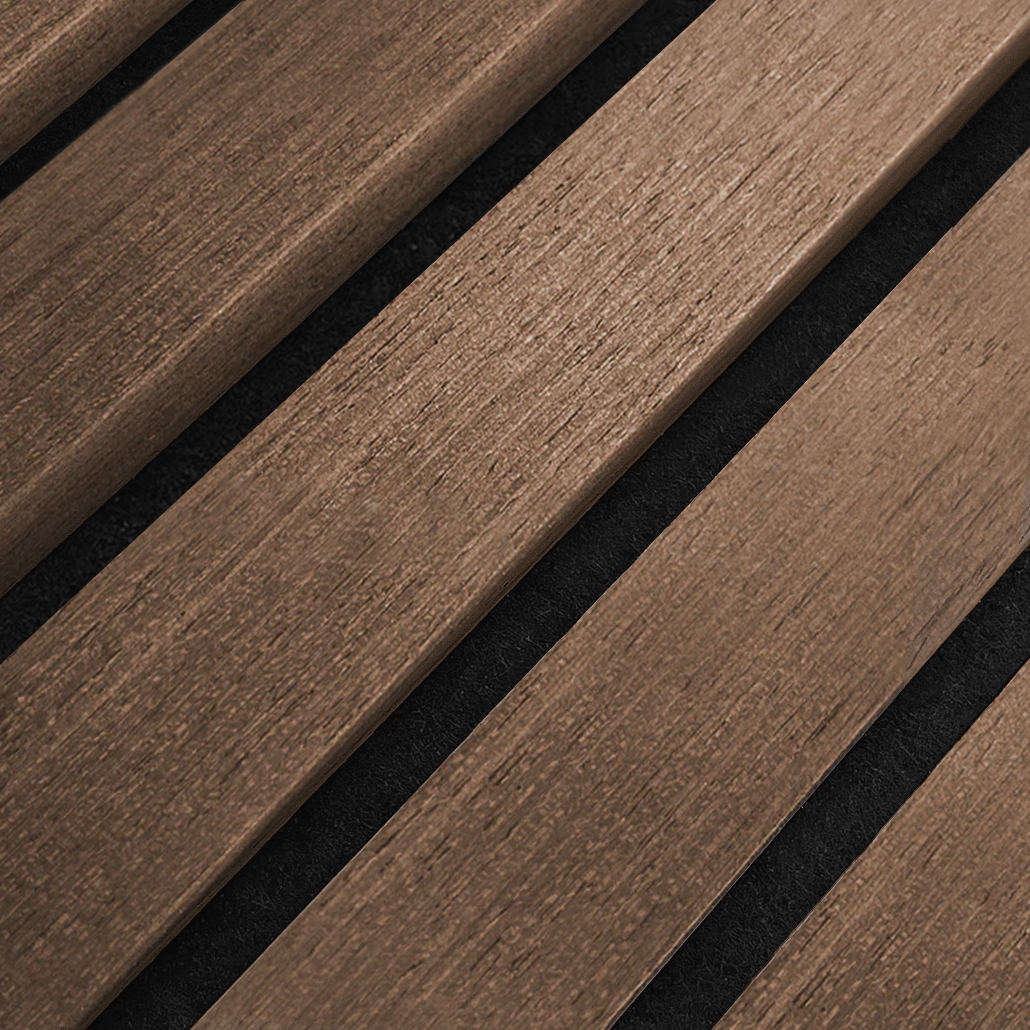
Common rooms see furniture dragged across them, bags thrown against walls, and far less care than a private bedroom gets. A 3-sided real wood veneer finish takes contact damage better than a printed laminate wrap, which chips and shows white edges the first time a chair leg catches it. Check the veneer construction before you spec anything for a space that turns over 300-plus students a year.
Fire rating and compliance documentation for shared communal spaces
Common rooms typically sit under different fire safety obligations than individual student bedrooms. Before ordering at scale, get the fire rating documentation in writing from the supplier for the exact finish and batch you're buying — don't assume it carries over automatically between wood tones or panel ranges.
Installation speed within a summer shutdown window
Most refurbishment work happens in the eight-to-ten week gap between June move-out and the September intake, and that window shrinks every year contractors are also fixing everything else in the building. Panels that fix with adhesive rather than a full batten-and-screw system install faster across a large run of wall — that matters when there are six common rooms to finish before Freshers' Week.
Consistent finish across large runs of wall
A 300-bed scheme can need 40 or more panels spread across several common rooms, and batch-to-batch grain variation gets noticeable at that volume. Stick to one finish per room and order from a single batch where possible — mixing production runs of the same wood tone shows up as visible banding once panels go up side by side under communal lighting.
Top picks for student accommodation common rooms
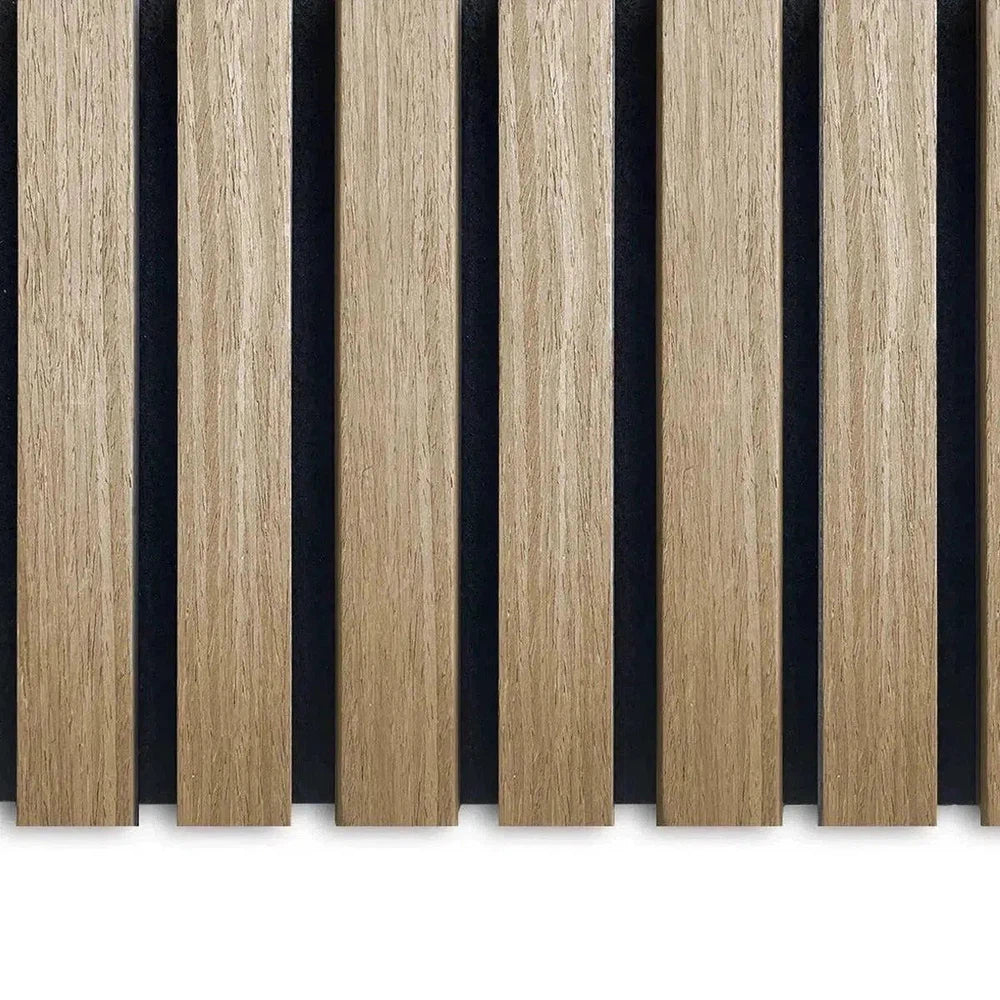
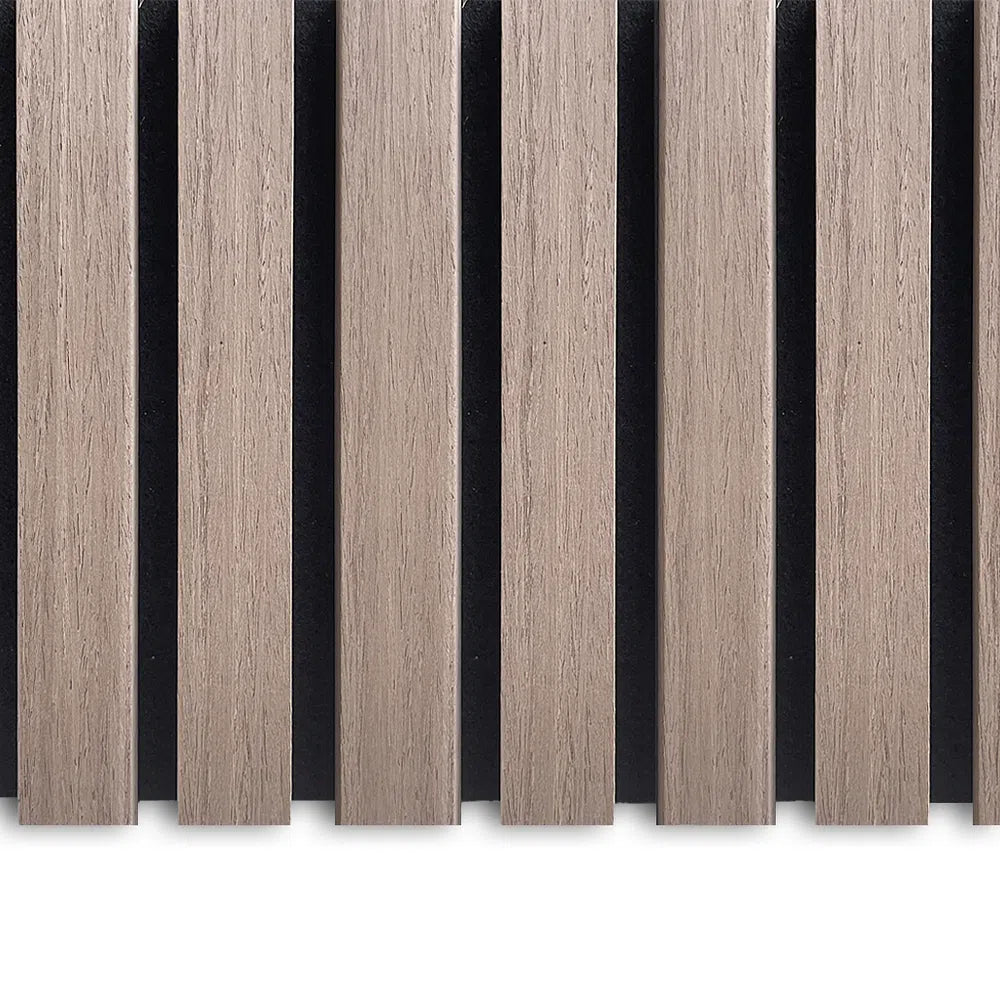
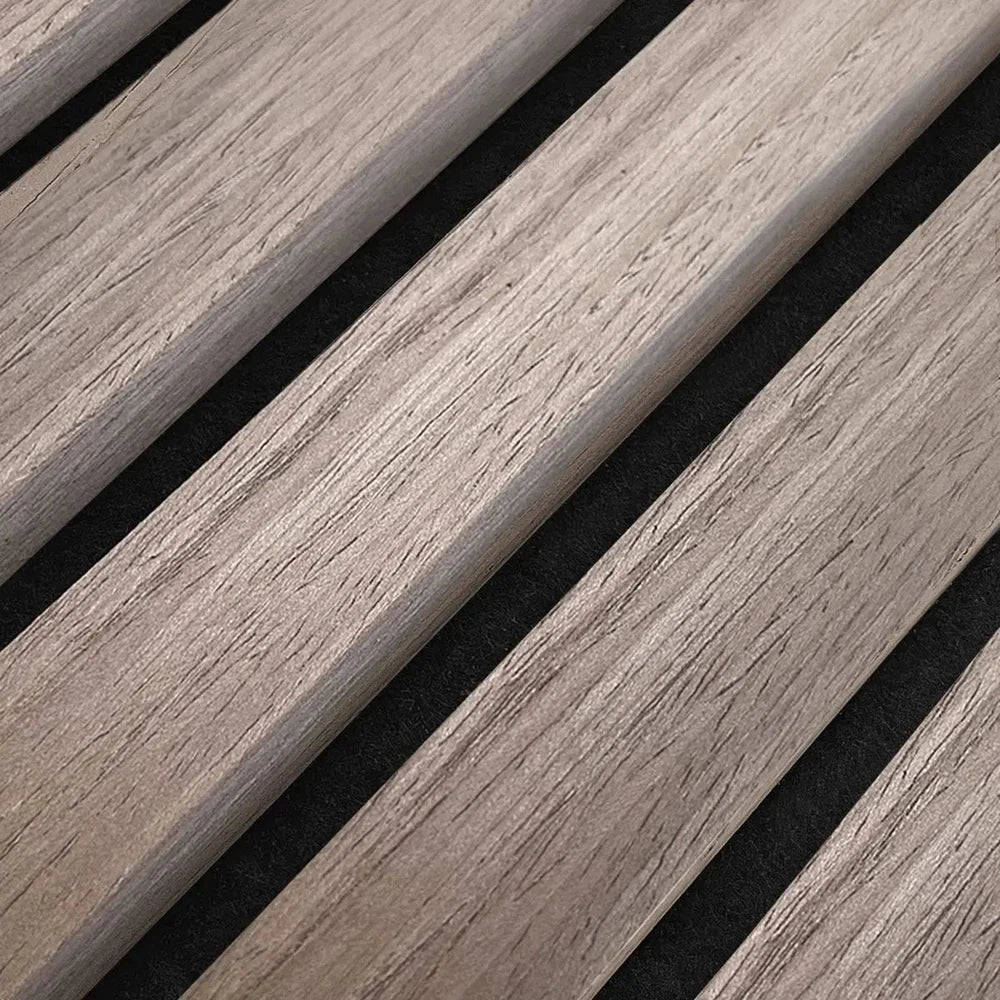
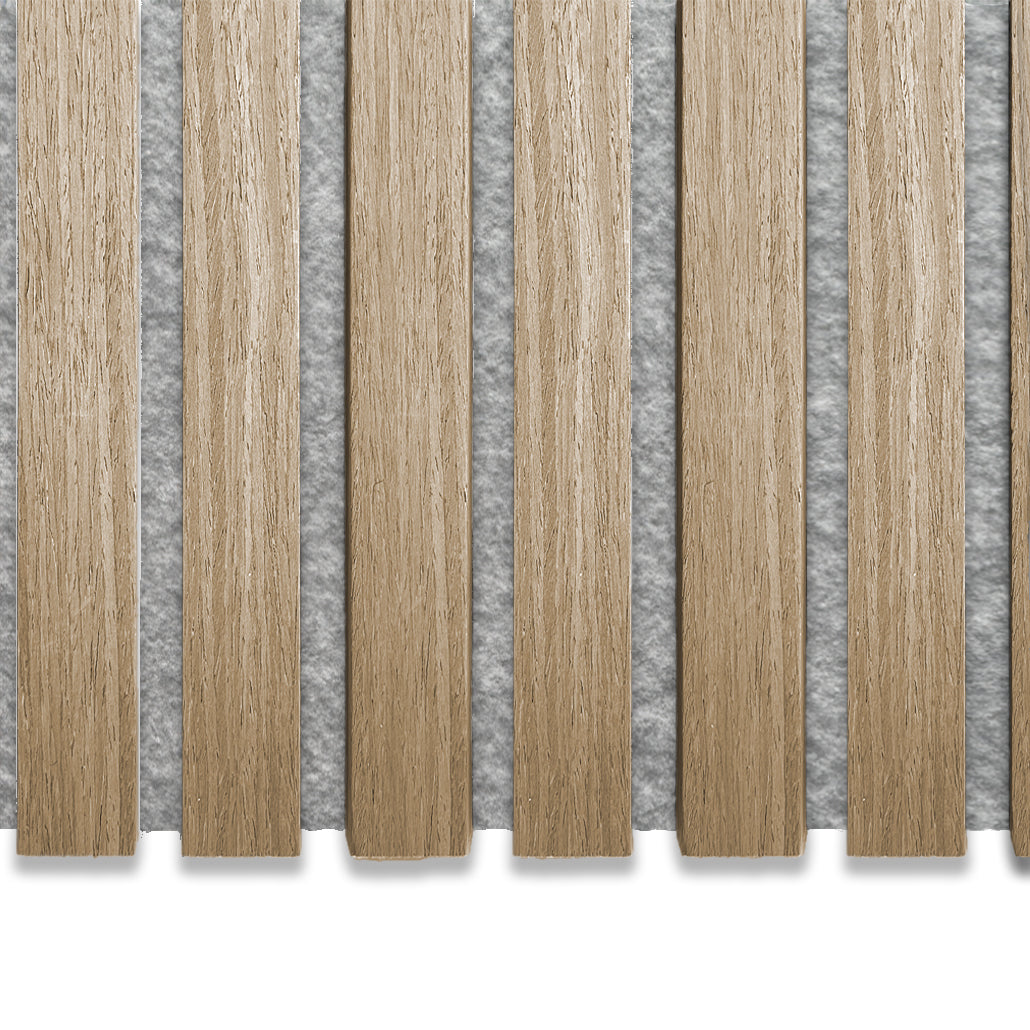
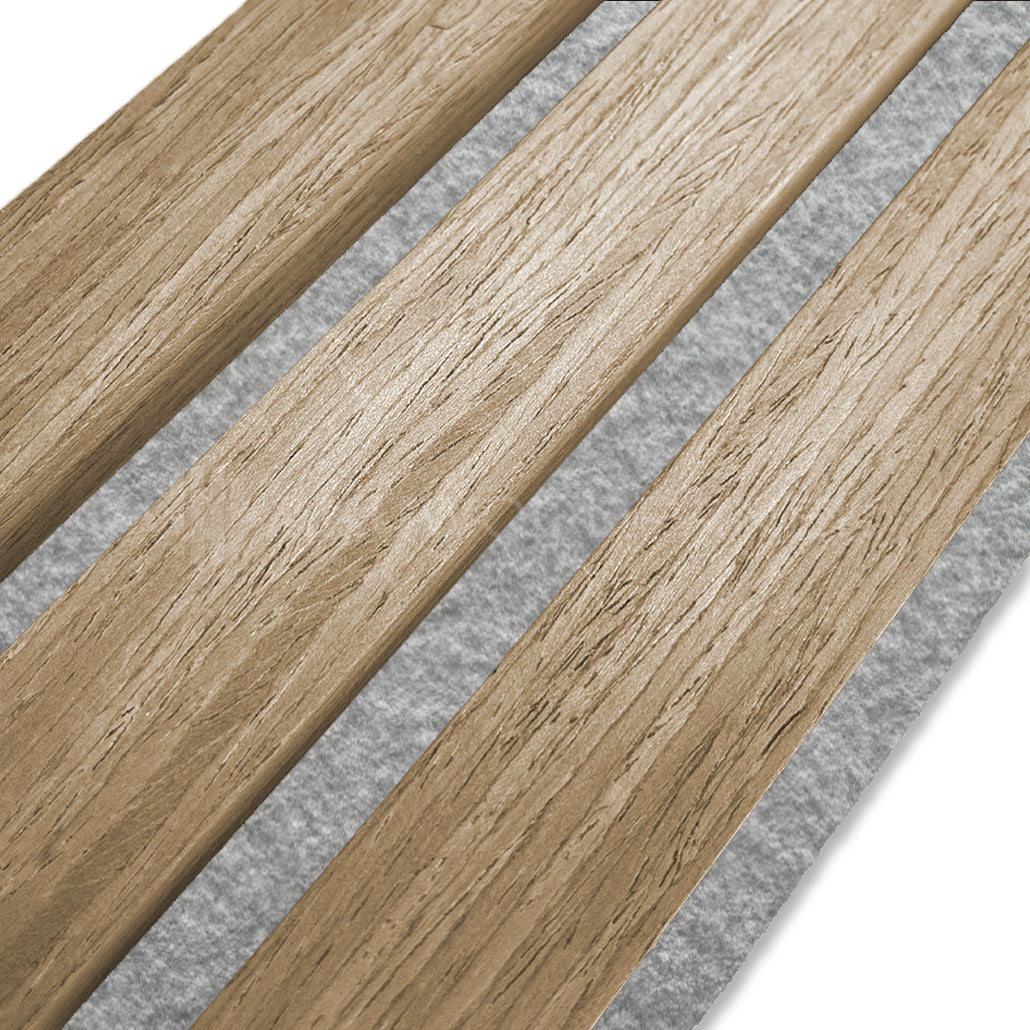
Natural Oak — the safe pick for shared lounges This is the finish that works in almost every common room brief: light enough to keep a windowless study space from feeling dark, still warm enough to soften a room full of hard furniture. The Natural Oak wall panel ships in both 240cm and 300cm formats with the 3-sided real wood veneer finish and acoustic felt backing standard across the range. Verdict: Buy — the lowest-risk spec for a common room brief you haven't finalised the mood board on yet.
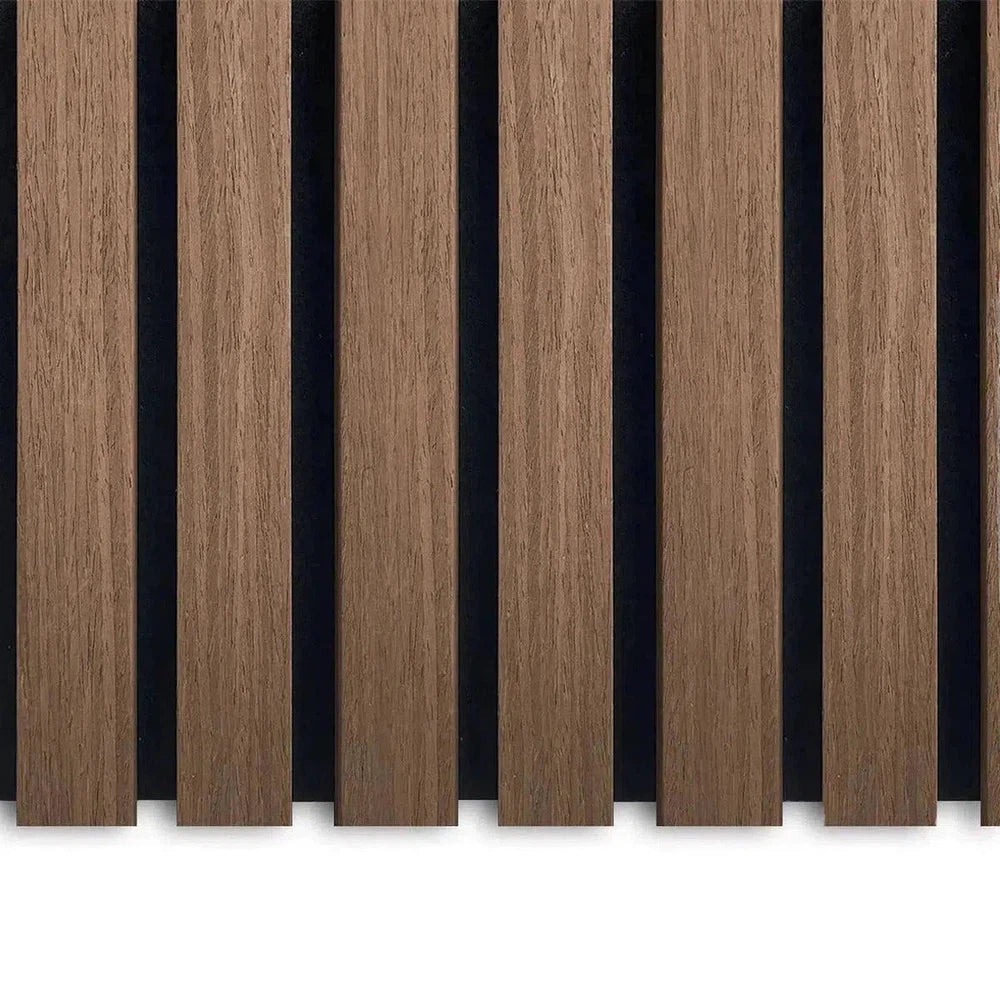
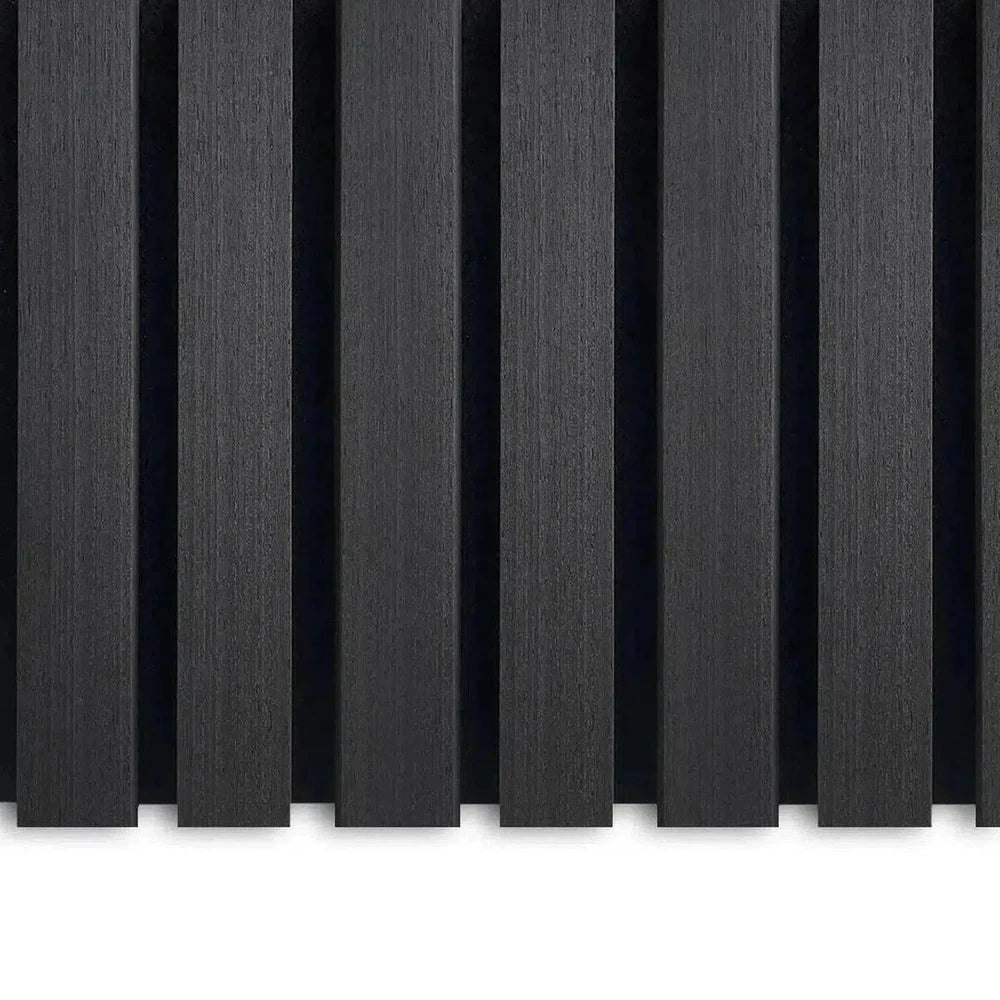
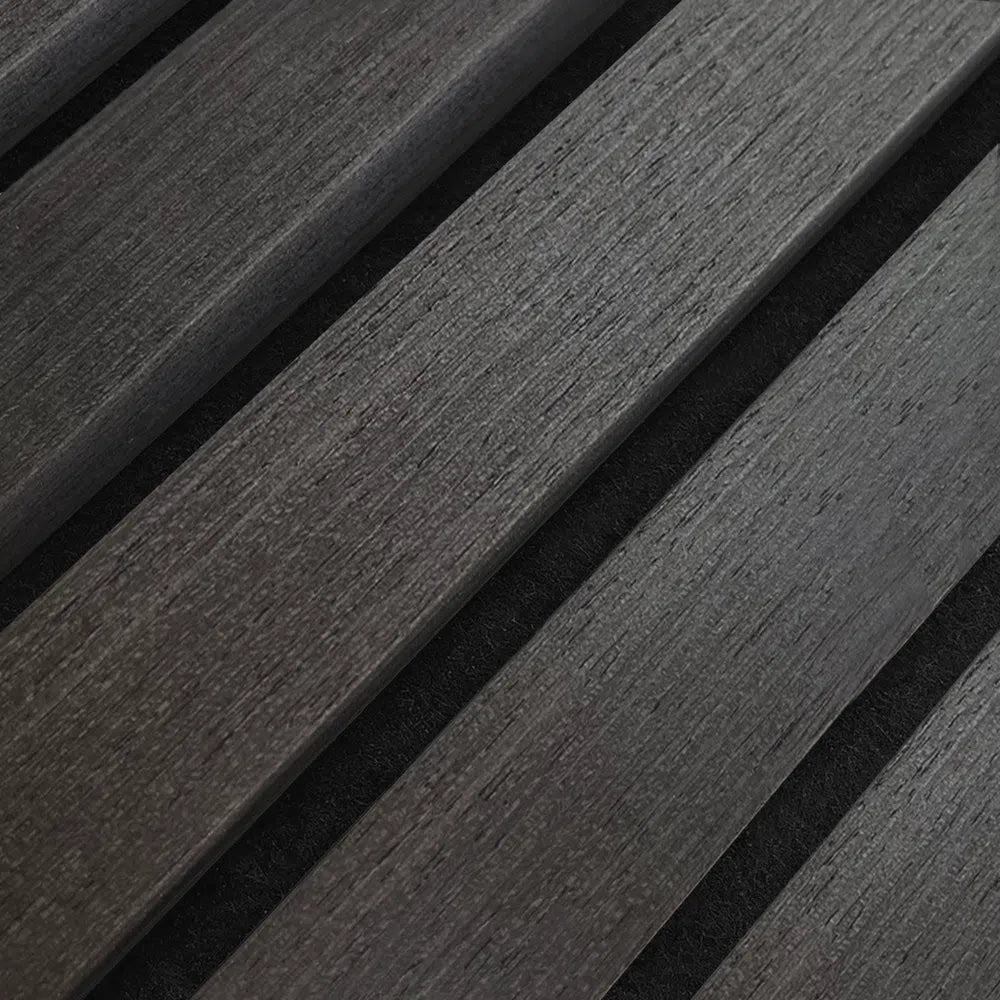
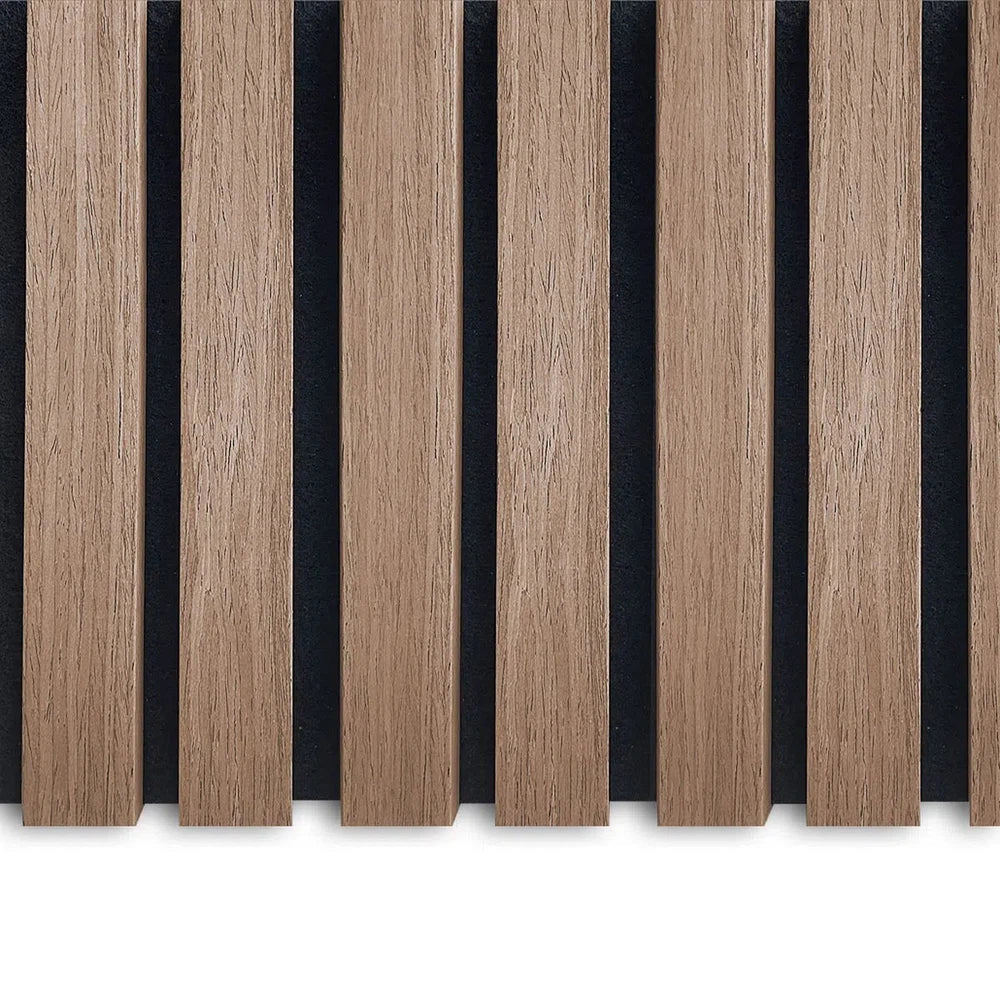
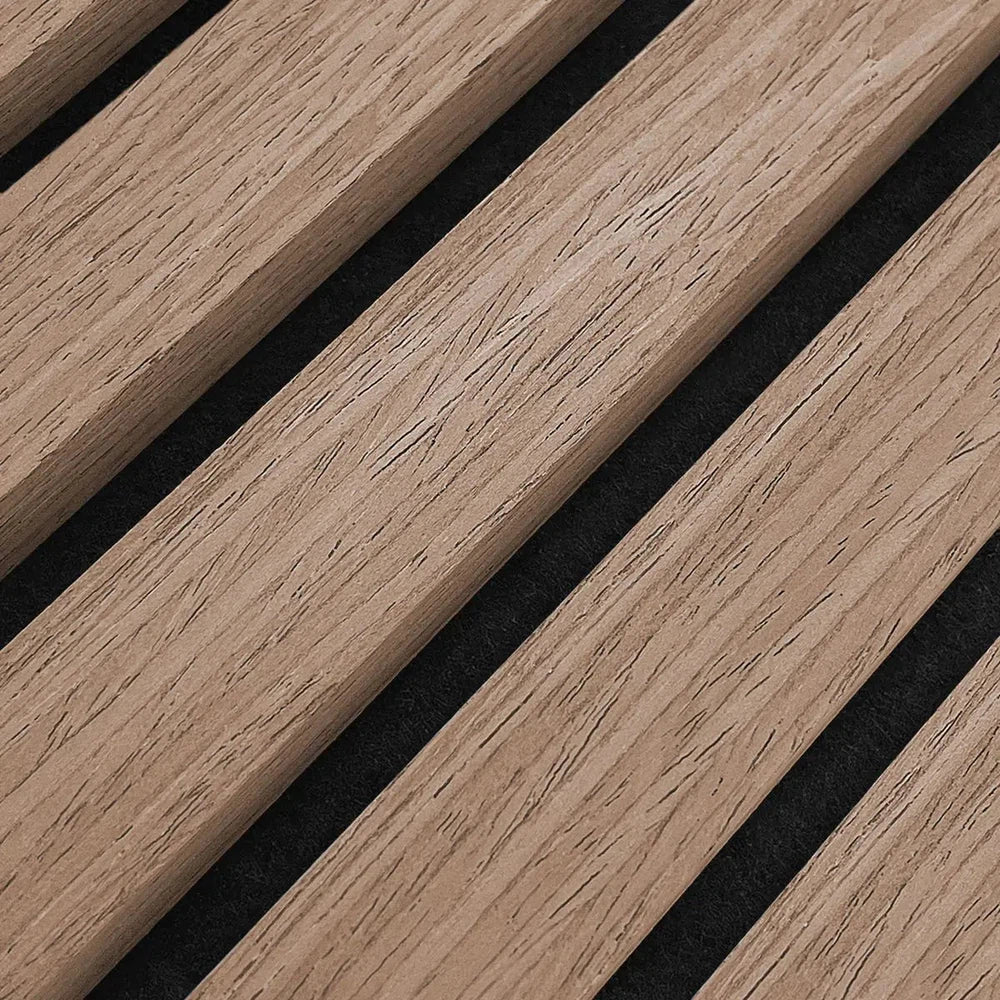
Smoked Oak — the low-maintenance pick for corridors and entrances Darker tones show scuff marks and grubby handprints far less than pale finishes, which matters in the corridor leading into a common room that every student walks past daily. Smoked Oak carries the same felt-backed acoustic construction as the rest of the range, just in a darker grain. Verdict: Buy — pick this over Natural Oak specifically for entrance zones and games areas that take the most contact.
Black Oak — the statement pick for TV and media walls Common rooms built around a shared TV or games console benefit from a darker feature wall that doesn't compete visually with the screen. Black Oak reads as a deliberate design choice rather than a budget one, which matters when a building's common room doubles as a selling point on open days. Verdict: Consider — strong for one feature wall, less practical as the finish for an entire room.
Rustic Oak Premium — the durability pick for long refurbishment cycles The Rustic Oak Premium 3-sided wood veneer panel is built for spaces that need to look the same in year three as they did on move-in day. The heavier 3-sided veneer construction is the strongest argument in the range for a common room that won't get a refresh budget until the next full refurbishment cycle. Verdict: Buy — spec this where the room won't be touched again for several years.
Walnut — the wildcard, and the one to skip at scale Walnut's deep, premium grain reads well in a boutique common room or a single reception feature wall, but it's the wrong call for a 40-panel common room rollout across a large scheme. The finish is built to be noticed, not to disappear into the background the way a workhorse common room finish usually needs to. Verdict: Skip for large-scale common room jobs; keep it for a small reception or single feature wall instead.


What to avoid in a student accommodation common room
- Laminate or printed-wrap "acoustic" panels without a felt backing — the marketing copy says acoustic, but a decorative surface alone does very little to cut reverberation in a large open common room.
- Fabric-wrapped acoustic panels — fine in a quiet office, but student common rooms tear and stain fabric surfaces within a single term of daily contact.
- Ultra-thin slat panels with no veneer protection — they chip at the edges and swell if a common room sits near a kitchenette or shared bathroom with regular humidity spikes.
Verdict comparison
| Panel | Best for | Durability under high turnover | Size formats | Verdict |
|---|---|---|---|---|
| Natural Oak | General-purpose common rooms | High | 240cm / 300cm | Buy |
| Smoked Oak | Corridors, entrances, games areas | High | 240cm / 300cm | Buy |
| Black Oak | TV and media feature walls | Medium-high | 240cm / 300cm | Consider |
| Rustic Oak Premium | Long refurbishment cycles | Highest | 240cm / 300cm | Buy |
| Walnut | Small reception or single feature wall | Medium | 240cm / 300cm | Skip at scale |
FAQ
What's the best acoustic panel for student accommodation common rooms in 2026?
Natural Oak wall panels are the best general-purpose acoustic panel for student accommodation common rooms in 2026 — they suit almost any brief and ship in 240cm and 300cm formats. Smoked Oak is the better call for high-traffic entrances and corridors.
Is real wood veneer better than laminate for student housing common rooms?
Yes — a 3-sided real wood veneer finish holds up to daily contact damage far better than a printed laminate wrap, which chips and shows white edges under the wear a common room takes across a full academic year.
How many acoustic panels does a typical common room need?
A single wall of roughly 4-5 metres typically takes six to eight panels in the 240cm format, though the exact count depends on room dimensions and how much of the wall you're panelling versus leaving bare.
Do acoustic wood panels work in common rooms with hard floors?
Yes — hard flooring is exactly where wall-mounted acoustic panels do the most work, since there's no carpet already absorbing sound and the panels are picking up reverberation the floor and ceiling are bouncing back.
Should common rooms use the same finish as student bedrooms?
Not necessarily — common rooms take far more contact and foot traffic than bedrooms, so a durability-first pick like Smoked Oak or Rustic Oak Premium often makes more sense in shared spaces even where bedrooms use a lighter finish like Natural Oak.
What's the fastest way to install acoustic panels before a September intake?
Adhesive-fixed panels install faster across a large run of wall than a full batten-and-screw system, which matters inside the eight-to-ten week summer shutdown window most UK student accommodation refurbishments work within.
Are hexagon acoustic panels durable enough for common rooms?
Hexagon acoustic panels with an NRC rating of 0.75 work well as a feature-wall accent in a common room, but they suit a smaller focal area better than acting as the primary acoustic treatment across an entire wall.
Do darker wood finishes hide wear better than lighter ones?
Yes — darker finishes like Smoked Oak and Black Oak show scuff marks, handprints, and general grime noticeably less than pale finishes like Natural Oak, which is why they suit entrance zones and games areas that take the heaviest daily contact.
One last thing
Order a physical sample of the finish before locking in a bulk order across a multi-building scheme. Grain and tone read differently under communal strip lighting than they do on a screen, and a scheme-wide reorder over a shade mismatch costs far more in 2026 than a handful of samples ever will.